

Visiting Big Bend National Park: What to Know Before You Go
Visiting Big Bend National Park might feel overwhelming at first glance. Due to its remote location, getting there takes effort. And it gets hot – really hot! But here’s the good news: with a bit of planning, visiting Big Bend – even in the very warm summer months – is absolutely doable. This guide gives you the essentials to help you plan an unforgettable trip.
This article contains affiliate links. That means I may earn a commission, at no extra fee to you, if you book or buy something from a link I provide. This helps keep Southerner Says online and on the road. Thank you for the support!
What Makes Big Bend National Park Special?
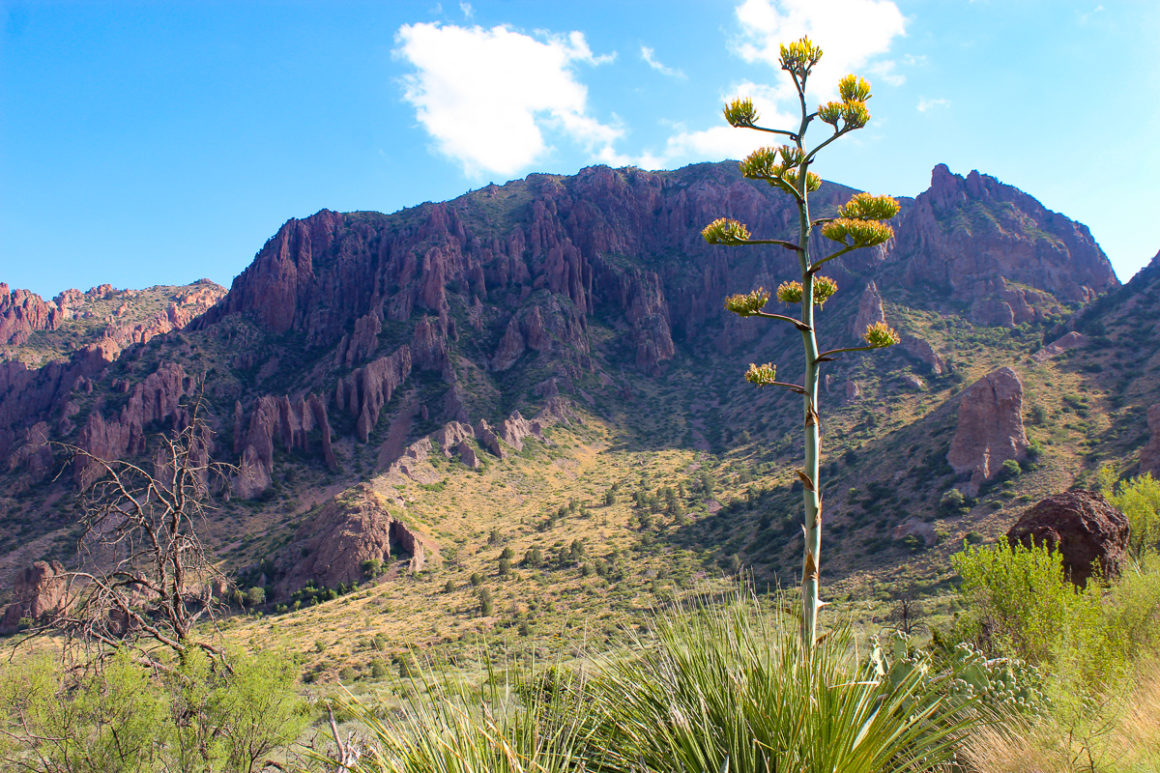
Full of mountains, canyons, desert landscapes, fossils, and the Rio Grande—all in one remote corner of southwest Texas—Big Bend National Park is unlike anywhere else. Here are some of the standout features that make it so special:
1. Its Immense Size
Big Bend is huge – the 15th largest national park, with more than 801,000 acres of rugged terrain to explore. It’s even bigger than Rhode Island. Because it’s one of the lesser-visited national parks, you can enjoy wide-open spaces without feeling crowded.
2. The Chisos Mountains
The Chisos Mountains – the southernmost mountain range in the U.S. – sit entirely within the boundaries of the park. No other national park has an entire mountain range contained within its borders.
3. Wildlife You Won’t Find Everywhere
One of Big Bend’s greatest conservation successes is the return of the Mexican black bear. After disappearing from the region for decades, they’ve slowly reestablished themselves in the Chisos. To protect both visitors and the bears, always store food in the campground bear boxes, keep your campsite clean, and take a moment to review the NPS bear-safety guidelines before your trip
4. Some of the Darkest Skies in the Lower 48
Big Bend is designated an International Dark Sky Park. It has the darkest measurable skies in the contiguous United States and is currently the largest Dark Sky Park in the world – a dream for stargazers and night photographers.
5. Unique Geology and Iconic Canyons
Big Bend’s landscape includes three major river-carved canyons created over millions of years by the Rio Grande. Together, they form the Rio Grande Wild & Scenic River park unit, known for its dramatic rock walls and spectacular river views.
Getting To Big Bend National Park
Big Bend sits in far West Texas in the Chihuahuan Desert, along the U.S.–Mexico border. Its remoteness is part of its beauty – but also why planning ahead is important. Depending on your route, many of the roads are remote and you might not see another car for miles.
Southerner Says: West Texas roads are remote. Buy gas when you can – yes, even if your tank is half full. It wouldn’t hurt to make sure your car is in good working condition. These are the things I always check on my car before a road trip.
Closest Airports:
- Midland International (MAF): 195 miles
- El Paso International (ELP): 300 miles
Major Road-Trip Gateways:
- San Antonio – 400 miles
- Austin – 435 miles
- Dallas–Fort Worth – 533 miles
- Albuquerque – 520 miles
Main Driving Routes:
- US-385 from Marathon
- TX-118 from Alpine
There are two main entrances into the park: from Alpine/Study Butte via the western entrance on Highway 118/Panther Junction Road or from the north on Highway 385/Main Park Road from Marathon. It all depends on your route.
Scenic Options:
- US-90
- Texas Mountain Trail
- River Road (TX-170) through Big Bend Ranch State Park – one of the most beautiful drives in Texas. (I have not done this drive yet but plan on it next time I visit.)
How to use this Google map: click the top left corner button for the map layers. You can also save the map to your own Google account by clicking the faint star at the end of the title.
When’s the Best Time to Visit Big Bend National Park?
Big Bend National Park’s busy season is November through mid April. March is especially busy because of spring break vacations in Texas. If you don’t mind hotter temperatures, then summer and early fall are the best times to avoid crowds.
We visited in June when temperatures were already over 100 F. Even though it was hot, there was almost no one else there. At times, we felt like we were the only ones in the park. Hot? Yes. Worth it? Absolutely.
- Peak season: November–mid-April
- Busiest month: March (Texas spring break)
- Best for solitude: Summer and early fall – but expect triple-digit heat
Things To Do in Big Bend National Park
Big Bend National Park offers scenic drives, excellent hiking – Boquillas Canyon Trail is my favorite – river trips, hot springs, fossils, birding and the rare chance to cross into Mexico for an afternoon in Boquillas del Carmen. With 150+ miles of trails and endless viewpoints, you’ll never run out of ways to explore.
Visitor Centers
Visitor centers are also where you’ll find updated trail conditions, weather info, Junior Ranger booklets, book stores and knowledgeable rangers who can help you fine-tune your plans. And sometimes wifi. Big Bend has four visitor centers:
- Panther Junction – open year round
- Chisos Basin – open year round (but closing for construction May 2026)
- Rio Grande Village – closed May 1-Oct 31
- Castolon – closed May 1-Oct 31
Panther Junction is the best place to start your visit for all important park. Don’t skip the park film there- it’s truly one of the best national park overview films I’ve seen and gives you a deeper appreciation for Big Bend’s geology and history.

Where to Stay in Big Bend National Park
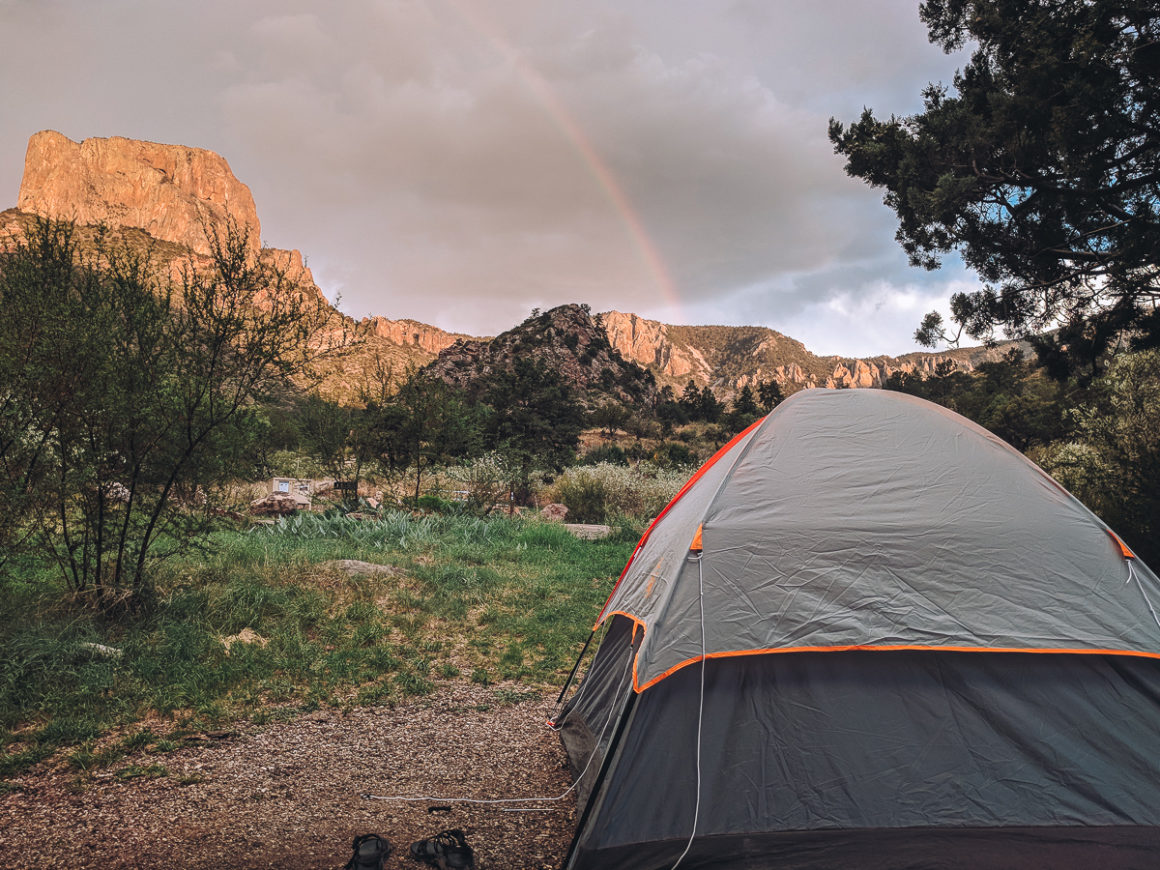
Big Bend National Park is so large, plan on driving a lot just to see it all. The best way to make good use of your time, is by staying inside the park or at least as close to it as you can. I recommend camping but if you aren’t a camper, Terlingua Study Butte has a couple of resorts and smaller motels.
Inside the park, there’s a park lodge (currently closed) and four developed campgrounds. Additionally, there’s permit only, backcountry camping available for visitors who want a dispersed camping experience. More info about camping and lodging in the park can be found in my Where to Camp in Big Bend National Park article with details and tips about all the campgrounds in Big Bend National Park.
New to camping or visiting national parks? Don’t miss my Tips for Camping in a National Park article. And if you’re curious how walk-up or last minute sites work, I’ve put together a guide on First-Come First-Served Camping as well.
Another tip: If you plan on camping and cooking then it’s best to bring supplies and groceries with you. There are three camp stores in the park. Rio Grande Village, Chisos Basin and Castolon have supplies but they are limited and they aren’t open year round. Terlingua has a small general store with some groceries and supplies.
Big Bend National Park FAQ
- How much does Big Bend National Park cost?
The fee for Big Bend National Park is $30 per car, $25 per motorcycle for 7 days. If you haven’t already, consider purchasing an America the Beautiful Park Pass for $80 (USA residents). It’s good for a year and gets you into over 2k interagency park units.
- How many days to you need in Big Bend National Park?
As many as you have. There is so much to see and do in this park and since it’s a long Texas way down there you want to take advantage of the time you spent getting there. However, you could see a few top things in two days. Three days would be better and I don’t think a five days to a week is too much. We spent two days and two nights and missed a lot.
- Will I have cell service in Big Bend?
Probably not. Cellular service was almost non existent when we were there but they were installing a new tower so I really can’t say how it is now.
- Are dogs allowed in Big Bend National Park?
Dogs are not allowed on trails in Big Bend or in the backcountry. Basically dogs can only go where your vehicle goes. So roads, developed campgrounds and primitive campsites.
- Is Big Bend National Park safe?
Big Bend is as safe as any other national park, considering you are outside and dealing with wildlife and a wild environment. Use common sense. If you are traveling solo, let someone know where you are. Check in with your campground host or rangers to check status of happenings in the park if you have a concern.
- Is visiting Big Bend National Park worth it?
Absolutely!
Tips for Visiting Big Bend National Park
Pack for the heat: Summers in Big Bend are intense, so bring lightweight clothing like shorts and breathable shirts, sturdy footwear, sunglasses, sunscreen and plenty of water. The park has refill stations, but always carry more than you think you’ll need. Don’t forget swimsuits and towels if you plan to cool off in the river.
Prepare for remote camping: Since campfires may not be allowed, pack a reliable camping stove. Hand sanitizer, soap and other basic hygiene items also come in handy in this rugged environment.
Helpful resources:
Download the official Big Bend National Park map from NPS.gov before your trip. There’s also a mobile audio tour of Big Bend – while I haven’t personally used it, let me know in the comments if you have!
Don’t miss the classics:
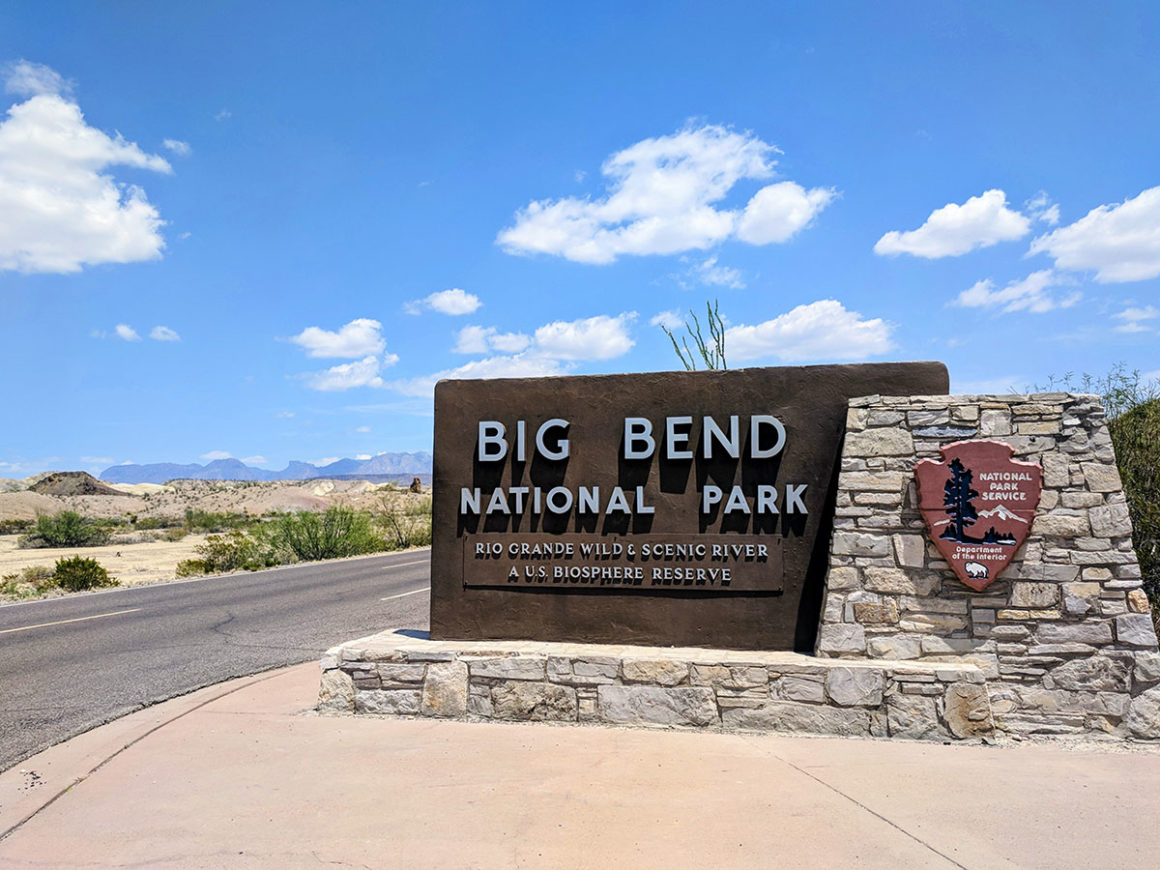
Make time to stop for a photo at the Big Bend National Park sign – it’s a must do. If you’re visiting with kids (or you’re a kid at heart), the Junior Ranger program at the visitor centers is a fun way to learn more about the park while earning a badge.
Leave No Trace:
Big Bend is a fragile desert ecosystem. Protect it by staying on marked trails, disposing of waste properly and following all Leave No Trace principles.
What Else is There to do Around Big Bend?
West Texas – and Texas in general is excellent for road tripping. While you’re in southwest Texas, check out the ghost town at Terlingua Study Butte. Big Bend Ranch State Park is about 80 miles from the national park. Valentine, Marfa, Alpine and Marathon are all cool, quirky Texas towns worth stopping for. Visit Prada Marfa or try to see the mysterious Marfa lights. And the wild west town of Fort Stockton is just 99 miles north of Big Bend.
Final Thoughts About Visiting Big Bend National Park
Big Bend National Park may be remote, rugged and a little intimidating but that’s exactly what makes it unforgettable. It completely surprised me. And while it’s perfectly fine to visit on its own, it’s also easy to combine a West Texas, Big Bend National Park road trip with Guadalupe Mountains National Park and White Sands National Park and Carlsbad Canyons National Park. Stay tuned – my Big Bend National Park Road Trip guide is coming soon, with routes, stops and tips for exploring Texas’ most stunning national parks in one trip.
See you on the road!

Author: Lori Blalock
A girl raised in the South, Lori is the founder of Southerner Says and is a travel advisor who’s road tripped all 50 states and visited over half of the Mexican states. Passionate about national parks, public land, sunsets and good barbecue, she writes about and helps others plan memorable adventures in the U.S., Mexico and Caribbean. Georgia is home — but she’s rarely there.