

How to Plan a Road Trip: an Easy Step by Step Guide
It’s no secret that I’m obsessed with road trips. I’ve driven over 100k miles of solo road trips and even more miles with family and friends. In my opinion, road tripping is the best way to travel because it gives you the freedom to go where you want, stay as long as you want and really get to know a destination.
But coordinating and learning how to plan a road trip – especially planning a road trip with multiple stops on limited time – can be challenging. To make it a bit easier, I have a method I use every time and it works great for both beginners and road trip veterans.
This article contains affiliate links. That means I may receive a commission, at no extra cost to you, if you book or buy something from a link I provide. This keeps Southerner Says online and on the road. Thank you for your support.
How to Plan a Road Trip
The difference between a road trip and a successful road trip is good preparation. I know it sounds like a lot of fun to grab a bag and ride off into the sunset but in reality it isn’t very practical. Especially if you have limited time.
If you aren’t prepared and don’t have a well thought out plan, then you might waste time, drive around needlessly and even miss out on some special things. So, before you start planning a road trip, there are two things you need to ask yourself:
- Do you have enough time for your road trip?
- How much can you comfortably drive in a day?
These two questions will have a big impact on how successful your road trip is. Here’s why.
Step 1 – Do You Have Enough Time for Your Road Trip?
Chances are if you’re thinking about taking a road trip you probably already know where you want to go. The key to the first step of how to plan a road trip is making sure you actually have enough time to get there. (And if you don’t know your destination yet, no worries – we’ll get to that in a bit.)
The main thing to keep in mind when planning a road trip is: it should be fun. If driving in the car for hours is how you are choosing to spend your vacation then you don’t want to feel rushed or in a hurry. You want enough time to slow down and enjoy the journey with no stress.
“Its the not the Destination, It’s the journey.
Ralph Waldo Emerson
More than just simply getting from point a to b – the magical thing about road trips is having enough time to discover unexpected places and activities along the way. If you’re rushed for whatever reason – poor planning or unreasonable expectations about the time you have – then the road trip just becomes a drive.
So, when you start road trip planning, be realistic about the time you have and what you can actually do in that time. Don’t over plan. A well thought out itinerary will have enough time to drive to the destination and time to wander around and stumble on a few of those surprise things naturally.
Step 2 – How Many Miles Can You Comfortably Drive?
The next step in planning a road trip is calculating how much you can comfortably drive in a day. It might seem like a minor detail, but if you’re not used to long-distance driving – or most of your daily driving is short or in only city traffic – then a long or cross-country trip can be overwhelming.
Why? Because the more miles you need to cover, the more pressure you feel to stay on schedule. Every stop, detour or unplanned activity adds time and feels like a burden. Before you know it, you’re behind, exhausted and trying to make up time. It’s not fun anymore.
To figure out your driving comfort level, make a practice run. A short weekend road trip can help gauge how how many miles you’re comfortable driving in a day plus get you used to driving longer distances. Remember: it’s not a contest – plan what’s best and comfortable for you.
It might take a few trips to find your sweet spot but you’ll get there. You can always take someone along for support if you don’t want to do a solo road trip. Two drivers – or even three – are best. Taking turns driving means no one person is overly exhausted. Another tip: rest areas were made for rest. Use them.

Step 3 – Choosing a Road Trip Destination
Once you have the timeframe nailed down – and how much you’re comfortable driving – it’s time to choose your destination(s) – if you haven’t already. As I mentioned previously, most people usually have a destination in mind when they start planning a road trip.
But if you don’t, or just have a vague general idea, and need some inspiration, then it’s time to check out your favorite travel blog, YouTube channel or social media for ideas. I personally keep a list of destinations I want to visit in my Google Maps. As well as a few saved road trip itineraries.
Still not sure? Take a look at your hobbies and interests. Love nature? Consider a national park road trip. Grouping parks together, is a smart way to maximize your time and create a more efficient itinerary. Utah and its Mighty 5 national parks – which includes Zion, Bryce, Capital Reef, Canyonlands and Arches – is a great place to start.
What about focusing on a specific state? Arizona is perfect for road tripping. Start with the Grand Canyon – a park everyone should visit – and Sedona – add in a few lesser known cultural sites and historical sites in the state and there you go. Keeping a road trip in one region means less driving and it’s ideal for first time road trippers.
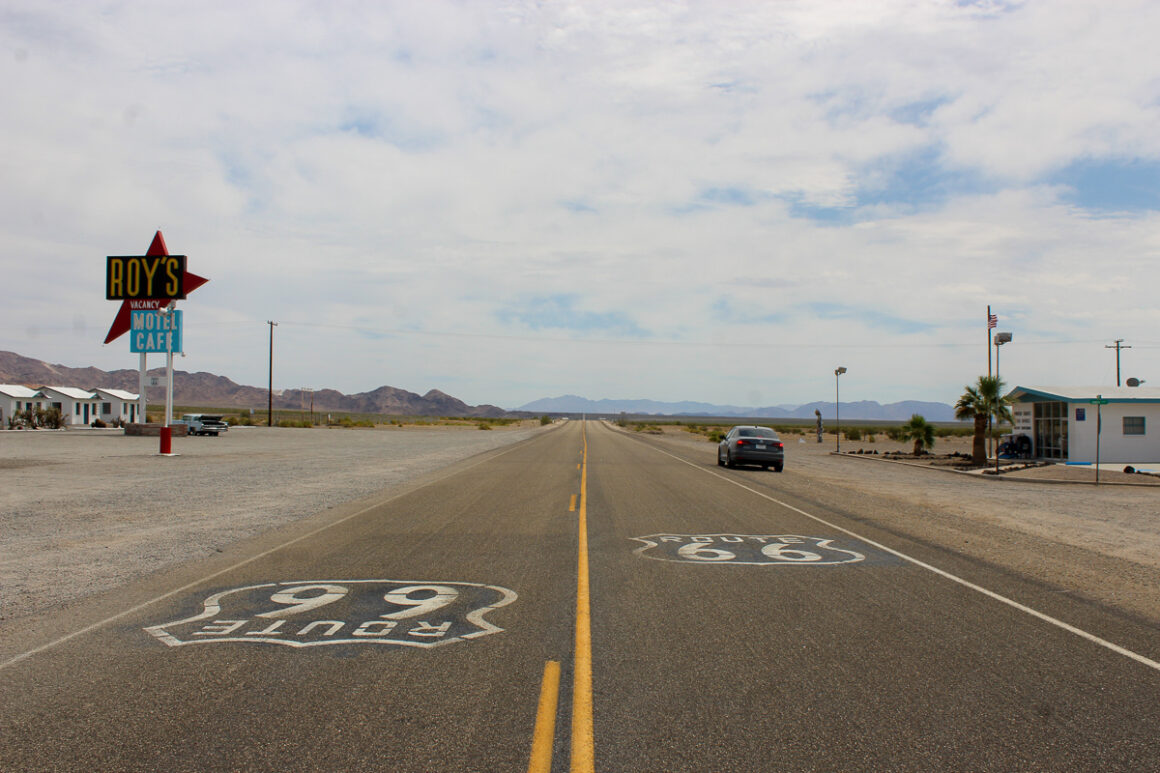
Do you like quirky road side attractions? Maybe a Route 66 road trip or a southern road trip is right for you. Literally, anything can be turned into a road trip. I know people who visit ball parks, lighthouses and wineries – with a designated driver of course, on road trips. The possibilities are virtually endless.
Thinking of taking an international road trip? Check out these guides with tips and route ideas to help you get started.
Step 4 – Planning a Road Trip Route
Now, you that you know where you’re going – let’s choose how to get there. Will you follow major highways, scenic back roads or a mix of both? I usually recommend a combination – since the best discoveries on a road trip usually happen when you leave the highway.
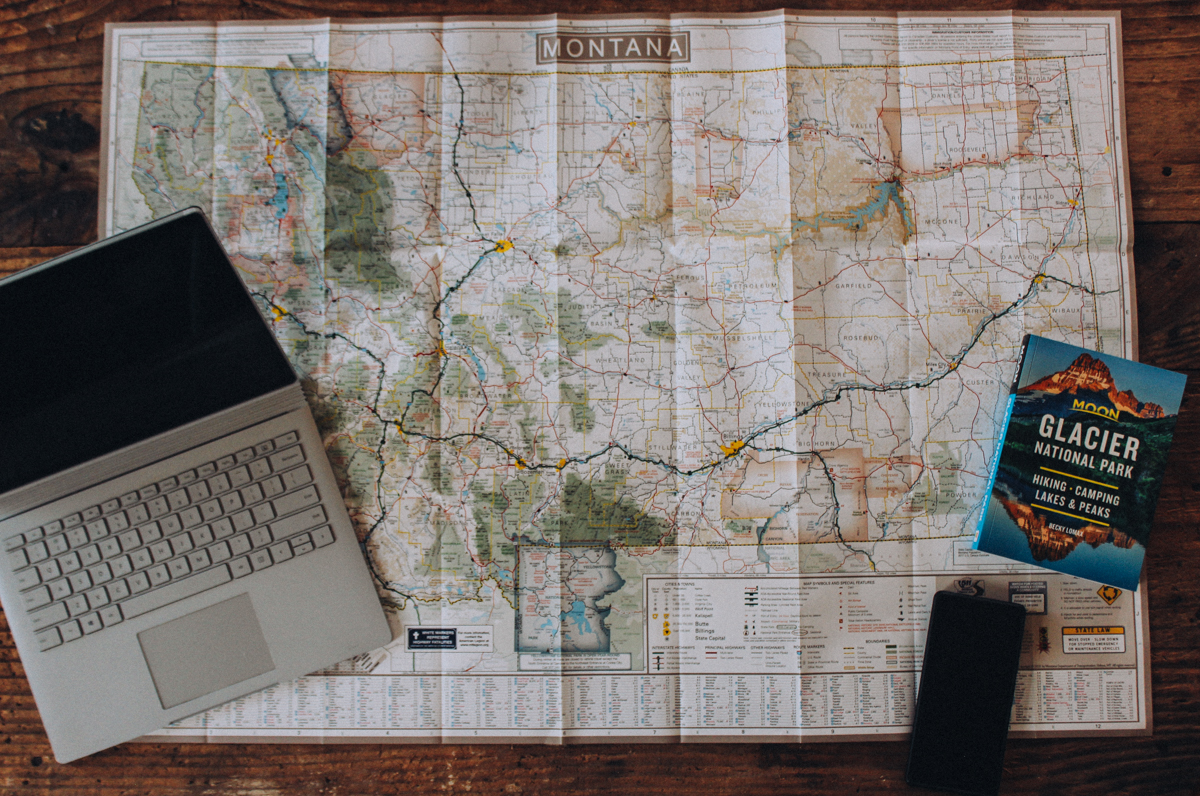
To help plan the route, there are various apps and road trip builders. I’m old school so Google Maps works for me. Just enter the destination – or multiple destinations – search from your starting point and browse the various routes suggested. It’s easy to filter out major highways and toll roads if you only want to travel on secondary roads.
When deciding on your route, don’t forget to check the actual mileage between destinations and the kind of road it is. A destination might look close and doable on the map but the route might be a small two lane road that requires more time and patience.
If you’re coming to the United States to road trip from another country then the distance between destinations and might be very different than what you’re used to. Some states like Texas are so big, it takes thirteen hours to drive across. Other states like Montana and California (north to south) also require a lot of of driving.
Also keep in mind that in many states – especially in the west – wildlife is abundant. Even along major interstates. This can significantly affect your overall drive time and how far you’re able to travel in a day. Use extra caution if you plan on driving at night and leave additional time for slower speeds.
If you use Google Maps, take advantage of its layered maps feature to organize your stops, attractions and overnight stays. It’s a simple way to visualize your route and keep everything in one place. I’ll cover this in detail in my full guide to planning a road trip with Google Maps. (coming soon)

Step 5 – Where to Sleep on Your Road Trip
The hardest part of learning how to plan a road trip is figuring out where to stop and sleep for the night. Generally, it’s not a problem if you’re only road tripping from one location to the next. But if you have an open ended itinerary without exact stops, then planning where to overnight can be challenging.
Also booking accommodations ahead of time with an open ended itinerary is tricky. A reservation, or a set place to stay, means you’re on a schedule. So when you stumble on something unexpected along the way and want to spend more time there, you might not be able to because you made prior arrangements.
To avoid that scenario, it’s tempting not to make any reservations and just wing it. Unfortunately, this also can be risky. Hotels and even campgrounds in popular locations – or at busy times of the year – fill up quickly. You might end up having to sleep in the car. Ask me how I know about that.
What I find helpful is breaking the road trip up into smaller segments in the road trip plan. For example, let’s say I’m driving to California from Georgia and I plan on stopping at Grand Canyon National Park in four days. Since I know that’s a popular, very busy national park, I’ll go ahead and book my room or campsite in that area.
That way, I feel secure knowing that I at least have set plans and a place to sleep at the busiest, most crowded stop of my road trip. With those plans made, I can then tentatively anticipate – where I might be before I get to the Grand Canyon and either book more accommodations or wait to see what I find along the way.
The more you road trip, the more skilled you’ll become at figuring out the sleeping part. And again, if you’re only going from one specific place to another and know exactly where you’re stopping, then lodging shouldn’t be a issue. Booking.com for hotels and KOA for campgrounds can help find the perfect spot to sleep.
Southerner Says: If you are on a long haul road trip and plan on camping, you might want to plan a hotel stay or a home stay every few days so that you will have laundry access and a real bed.
Step 6 – Planning Road Trip Stops
Besides the necessary stops for fuel, bathroom breaks and those unplanned things, you’ll want to plan some fun stops on your road trip too. Roadside America has a mobile app for finding interesting places along the way and Atlas Obscura is another good source for unusual attractions on your route.
More than just a way to reserve national park reservations, Recreation.gov has expanded their website and app with an interactive map of all national park sites across the country that allows you to build a trip to national parks and other public lands. Just select “Trip Builder” from the dropdown menu and begin planning.
As I mentioned earlier – when I see or read about places that catch my interest, I add them to my Google Maps lists – arranged by state. Then, when I start planning a road trip, I check my lists to see if any of those saved places are near my route.
From there, I create two lists: a must-do list with the things I absolutely don’t want to miss and a “b list”, or bonus stops – things I’d love to do if I have time. Some of my all time favorite road trip memories have been b list places – random stops I decided to make last minute.
Trust me when I say the places you miss because you have a good plan – or the time – will haunt you forever. I still think about a Route 66 gas station I passed up way back in 2014 and never found again. I look for it every time I drive across Interstate 40.
Step 7 – Choosing the Best Vehicle For a Road Trip
The vehicle you choose for your road trip is one of the most important pieces of planning a road trip. It might sound strange since most people assume they’ll simply drive the car they already own. But if you’re planning a cross-country road trop then it’s worth considering whether your current vehicle is the best fit for for your trip.
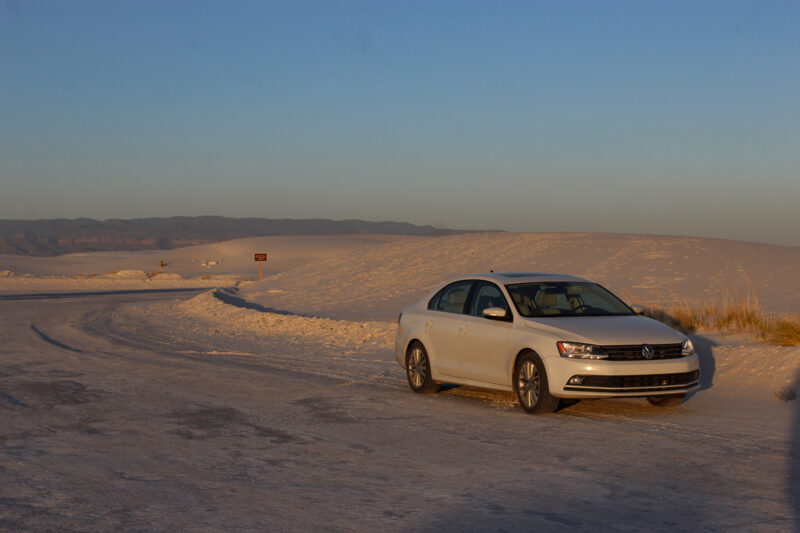
With gas prices, if your vehicle is a larger SUV that consumes a lot of fuel, it’s possible that renting a smaller more economical car could be more practical and money saving in the long run. If you’re road trip involves cold weather or somewhere with unpaved roads like Death Valley National Park then an all-wheel drive or a 4-wheel drive might be best.
Other factors that might affect the vehicle you take on your road trip is: how many people are going? Do you have room for everyone and their luggage? if camping – how much gear do you need? Based on your answers, in some cases, a rental might be a better option.
If you do decide to drive your own vehicle, it’s smart to have it inspected by a professional before you hit the road. At the very least, check a few essentials yourself – like the tires, fluid levels, and battery – before heading out. Here’s my suggestions about what to check before a road trip.
And don’t forget to pack a solid emergency kit. I’ll be sharing a full guide on what to include in that soon.
Step 8 – Putting Your Road Trip Together
Once you’ve gotten this far with your road trip plans, I recommend using either a digital calendar or a spreadsheet for all your activities and ideas. That way you can put it all in front of you, look it over and play around with it. Personally, I like to print a calendar and actually write on it. Either way, it’s entirely up to you.
I find a calendar useful because it helps with daily plans. If there’s a firm final destination and end date, I’ll put that on the date I have to be there and work backwards. From that, I can estimate how many miles I need to drive in a day. I can also see (about) where I need to be on certain dates. Then I fill in around those dates with things I want to do.
Once everything is on the calendar, I look at it closely. If I think I’ve got too much planned, or it’s going to be a rush then I remove a few things – moving those the “b” list – remembering I can always add it back if I find I have the time.
Step 9 – Road Trip Entertainment
Whew! You’re almost done planning your road trip. This last step isn’t strictly necessary but it can make your journey much more enjoyable. I’m talking about music, podcasts and even audio books – you simply cannot road trip without something to listen to.
Music has a way of turning long, boring stretches of road into something way more fun. If you subscribe to a music provider like Spotify, you can follow my playlist, explore others or create your own ultimate road trip soundtrack to fit the vibe.
Not gonna lie, sometimes, I get tired of music so Podcasts are my second favorite thing to listen to on a road trip. My go-to picks are Office Ladies, Smartless and 90 Miles From Needles. And recently, while road tripping through Kansas (articles coming soon!), I checked out a Wild West Podcast.
Finally, audio books related to the area you’re traveling to can be a fun addition. Listening to an book about Bourbon while driving through Kentucky and following the Bourbon Trail really upped my appreciation for the craft and the area.
How to Plan a Road Trip Round-Up
If you made it this far you’ve learned that good preparation goes a long way when planning a fun road trip. Planning means fewer surprises and more time to enjoy the journey. If you want to plan even smarter, check out my guide on the most common road trip mistakes to avoid.
Now it’s time to grab a map, start planning and let the road trip adventure begin. Are you ready?
See you on the road!

Author: Lori Blalock
A girl raised in the South, Lori is the founder of Southerner Says and a travel advisor with over 100,000 miles of solo road trip experience. Passionate about public lands, sunsets, and good barbecue, she writes about and helps others plan memorable getaways across the U.S., Mexico and the Caribbean. When she’s not on the road, she’s living life back home in Georgia
You made a good point when you mentioned that a good plan would allow for some unexpected things on your road trip. Would it be a good idea to know where gas stations are going to be located on your route? Knowing where gas stations are would be a good way to handle unwanted situations on your trip.
Hi Henry! I agree that it’s important to have an idea of where the gas stations are especially in a desolate place like Death Valley. Even if you fill the tank before you go into the park, with so much driving, you know you will have to fill up again. Thanks for the suggestion. Happy trails!