
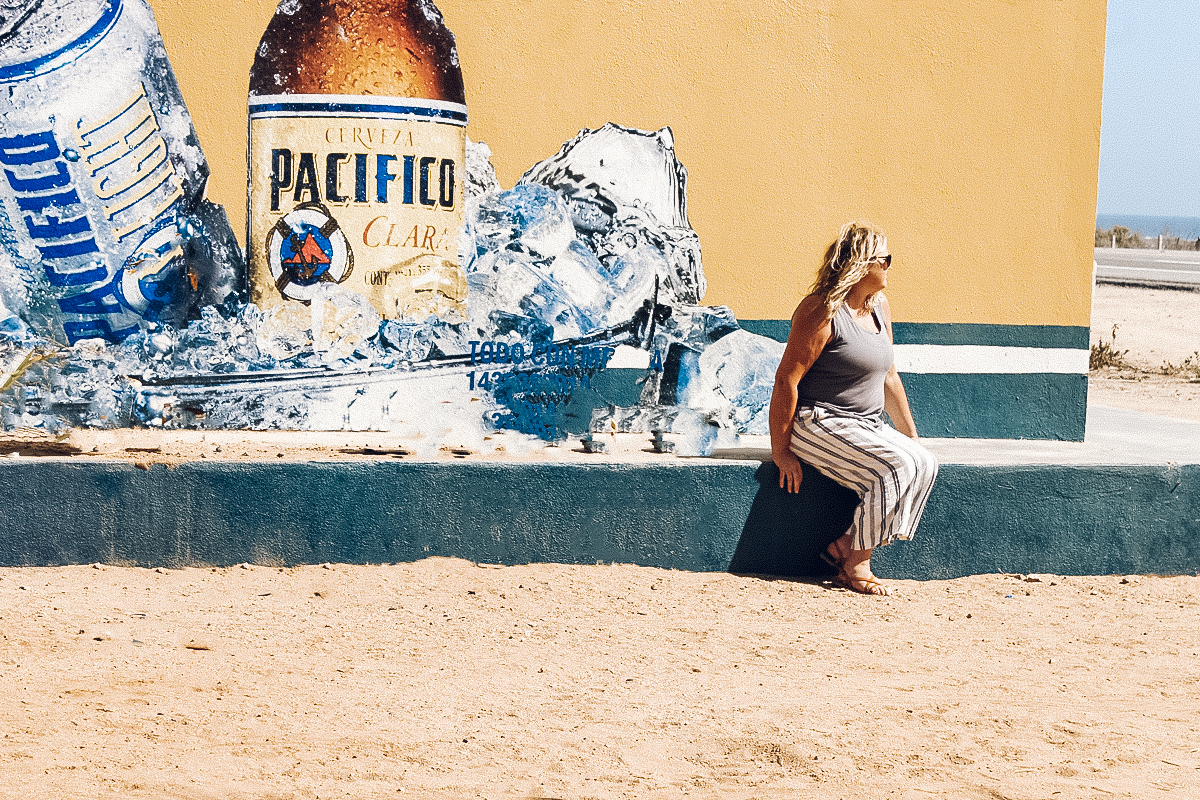
Things to Know Before Visiting Mexico — From Someone Who Can’t Stop Going Back
The first time I went to Mexico, I didn’t know much about tourist cards or exchange rates. Both would have been things to know before visiting Mexico. I learned it the hard way. Since then I’ve visited more than half of Mexico’s 31 states — with family or by myself, sometimes for work but mostly for fun — and Mexico still surprises me every single time.
Here’s the thing about Mexico that the headlines won’t tell you: it’s one of the easiest, most accessible international destinations for U.S. travelers. But it is a different country, and knowing a few things before you land makes the difference between a good trip and a great one. So let’s talk about what you actually need to know about Mexico.
The Truth About Safety in Mexico
Let’s get this out of the way because I know it’s on your mind — yes, Mexico is safe to visit. I’ve spent years traveling there solo — I’ve wandered markets, taken buses, hired local guides and eaten from street carts in places most tourists never see. I have never felt unsafe in Mexico.
That doesn’t mean you throw common sense out the window. Mexico — like every country including our own — has areas with real crime problems. The majority of cartel-related violence does not involve tourists, and 25 million Americans visit Mexico every year without incident. But situational awareness matters anywhere you travel.
A few things that go a long way: stick to areas your hotel or guide recommends, don’t flash expensive gear, don’t drink to the point where you aren’t paying attention and don’t buy drugs. Check the U.S. State Department website before you go for any current travel advisories specific to the region you’re visiting.
The short version? Respect Mexico the way you’d respect any destination and you will be fine. For a deeper dive into this topic, I’ve covered it fully in Is Mexico Safe for Travel?
Passport & Entry Requirements
You’ll need a valid passport to enter Mexico — but the good news is U.S. citizens don’t need a visa for stays under 180 days.
Another thing: while Mexico doesn’t require your passport to be valid for six months beyond your travel dates, some airlines do enforce that rule and can deny boarding. Check your expiration date before you book, not the night before you fly.
The tourist card — officially called an FMM or Forma Migratoria Múltiple — is still required but you’ll barely notice anymore. If you traveled to Mexico years ago you might remember filling out a paper form on the plane and holding on to that little slip for dear life so you didn’t lose it before you left.
Those days are mostly gone. As always, the FMM cost is included in your airfare but everything is handled electronically now. When you land an immigration officer simply stamps your passport and notes how many days you’re allowed in the country.
A couple of exceptions — some smaller airports might still be working through the transition and may hand you a paper FMM. And if you’re crossing the border on foot, as of January 2026, you will still be given a paper FMM. Side note: FMM’s may be gone but you’ll still need to fill out a customs form.
Southerner Says: Don’t lose that paper FMM if you get one and make sure it gets collected when you leave. I was actually pulled off a bus on the way to my plane once because the FMM from my entry hadn’t been properly collected. It all worked out but I do not recommend the experience. Hold onto it, make sure it’s taken at the border or airport and don’t walk away until it is.
Best Time to Visit Mexico
Planning a trip to Mexico and trying to figure out when to go? The practical answer is — it depends on where you’re going and what you’re looking for. But here are a few general guidelines that apply to most of Mexico.
Most regions have two seasons: a dry season running roughly November through April and a rainy season from May through October. For most U.S. travelers the dry season is the sweet spot — comfortable temperatures, less humidity and lower chances of a storm ruining your beach day.
Hurricane season runs June through November with the highest risk from August through October. That doesn’t mean you can’t travel during those months — plenty of people do but it’s worth being prepared.
And remember nature doesn’t always follow the calendar. I was in Campeche one May, technically before hurricane season, when a hurricane rolled through and caused significant flooding. It wasn’t catastrophic but it was enough to prompt a few frantic texts from someone who used to live there and knew I was in the area.
The point is — if you’re heading to the coasts or lower lying areas, keep an eye on the forecast no matter what time of year you’re traveling and make sure your travel insurance covers weather disruptions.
Peak tourism falls between December and April which means higher prices and bigger crowds at the most popular destinations. If you’re flexible, shoulder season — think late April, May or early November — can be a good option for fewer crowds and better deals without sacrificing too much weather.
If you’re brave, a few events worth building a trip around — or avoiding depending on your personality: Spring Break turns Cancun and Cabo into a different world entirely. Semana Santa — Holy Week before Easter — is one of the busiest travel weeks of the year across most of Mexico, not just the resort towns.
Dia de los Muertos in late October and early November is one of the most special cultural experiences you can have anywhere in the world. That one I’d build a trip around without hesitation.
Mexico Weather: It’s Not One Size Fits All
A lot of first time visitors don’t realize that Mexico has seven climate zones. What that means is that the weather in one part of the country can feel completely different from another at the exact same time of year.
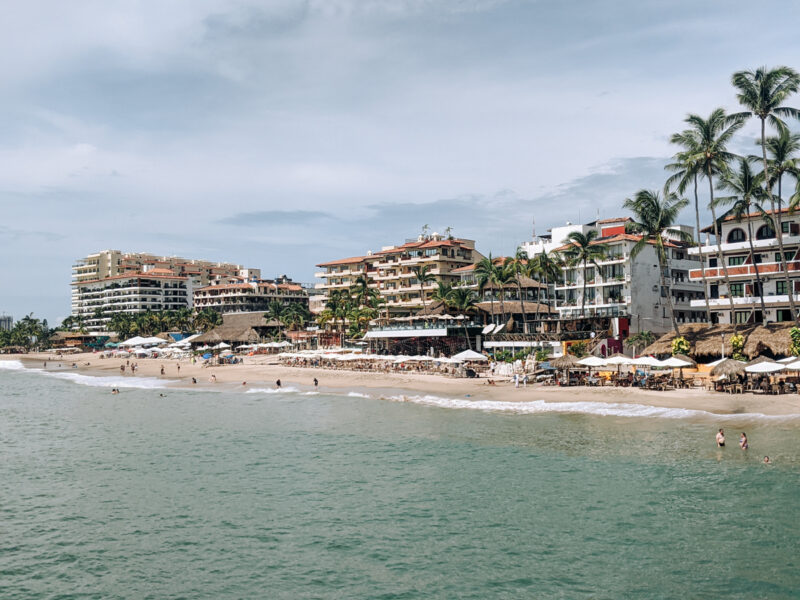
Mexico City sits at over 7,000 feet elevation and has a cool, mild climate year round that surprises most people expecting tropical heat. The Pacific coast — Puerto Vallarta and Cabo — and the Caribbean coast — Cancún and the Riviera Maya — are both tropical but can feel completely different from each other depending on the time of year.
Even within a single region the difference can be huge — the western and eastern sides of Baja can feel like completely different destinations at the same time of year. The bottom line — always check the forecast for the specific area you’re visiting, not just “Mexico.”
Southerner Says: I spent a May on the western side of Baja Sur expecting warm beach weather and needed a jacket every morning and every night. I was not prepared for that. The lesson — always check the forecast for the specific area you’re visiting, not just “Mexico.” It will save you from either overpacking or being caught completely off guard like I was.
Transportation & Getting Around: Things to Know Before Visiting Mexico
Getting around Mexico is easier than what you might expect — but it helps to know your options before you land. Here’s a breakdown of the most common ways to travel through the country and what I’ve learned from using all of them.
Flying
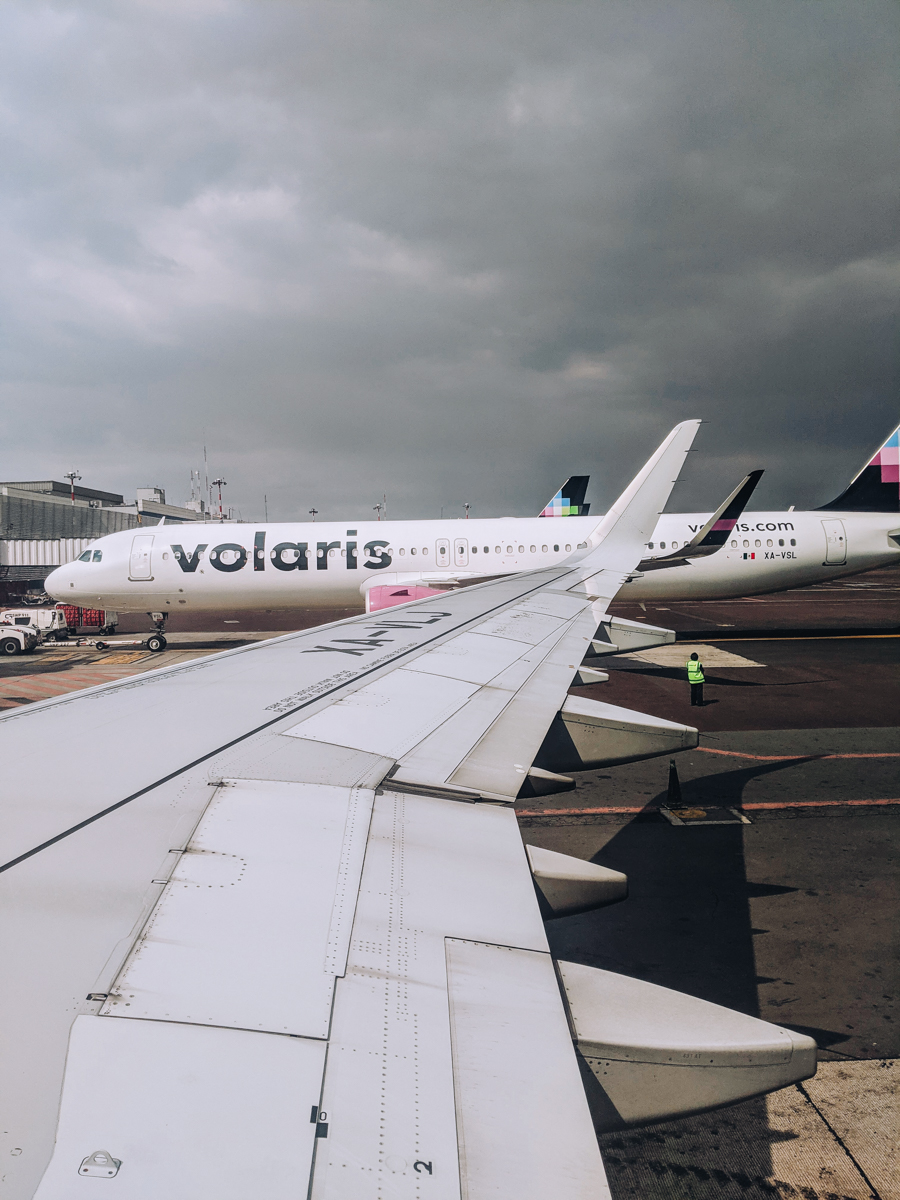
Domestic flights in Mexico are generally affordable, especially between major cities and resort destinations as long as it’s not last minute. The big three airlines are Aeroméxico, Volaris and Viva Aerobus. Think of Aeroméxico as the full service option — they’re Delta partners and operate similarly.
Volaris and Viva Aerobus are budget carriers but don’t let that scare you. Volaris especially puts Spirit and Frontier to shame — more room, more amenities and none of that nickel and dimed feeling U.S. budget travelers know all too well.
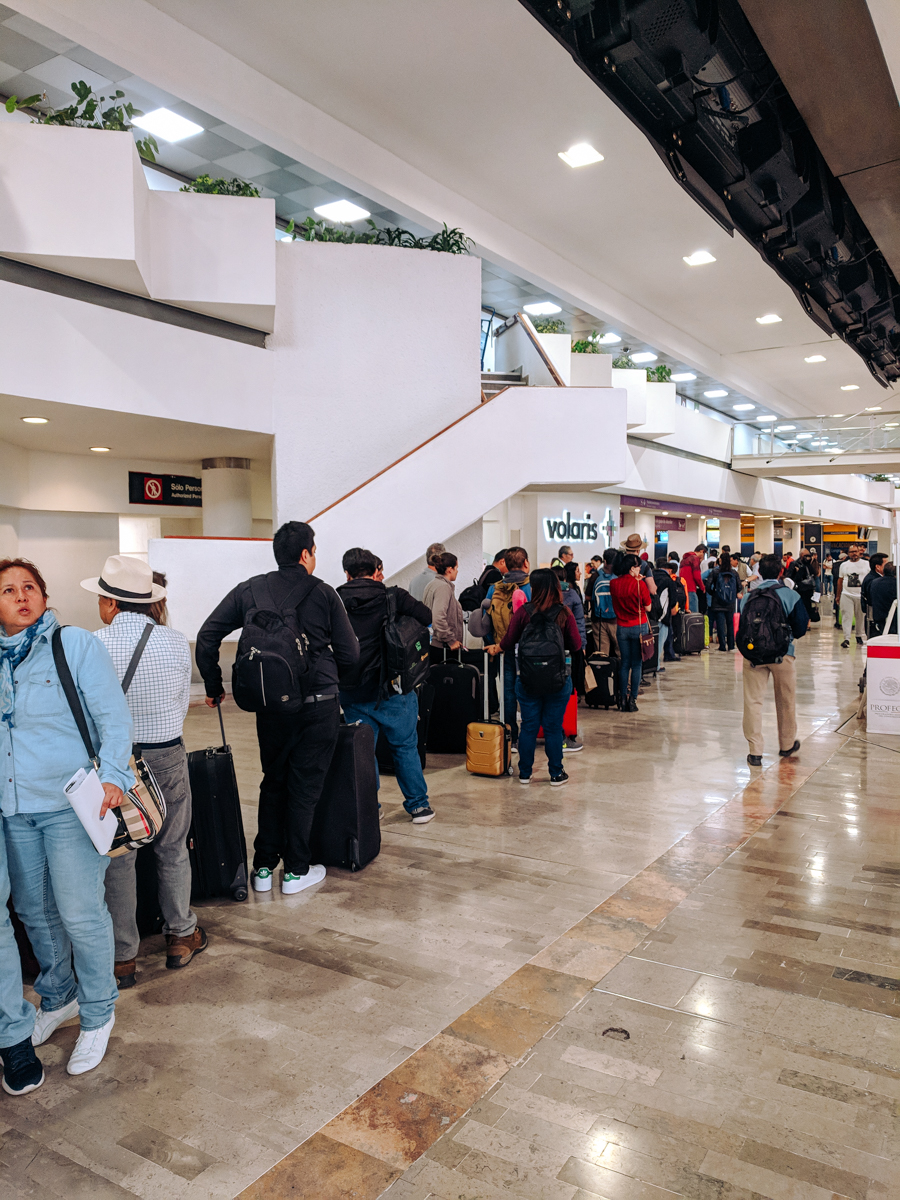
Both Volaris and Viva Aerobus have good apps and if you’re traveling with carry-on only I highly recommend checking in ahead of time through the app. It can save you a lot of time at busy Mexican airports. Chances are you will still need to show your paperwork but you’ll be one step ahead.
Airport Transfers
In most major destinations pre-arranged transportation is the most convenient option though it usually costs more. Airport taxis are heavily regulated and a safe choice. What you want to avoid are the unsolicited offers you’ll get the moment you walk into the arrivals hall — that area has a nickname among seasoned Mexico travelers: the shark tank. Just keep walking.
Buses in Mexico
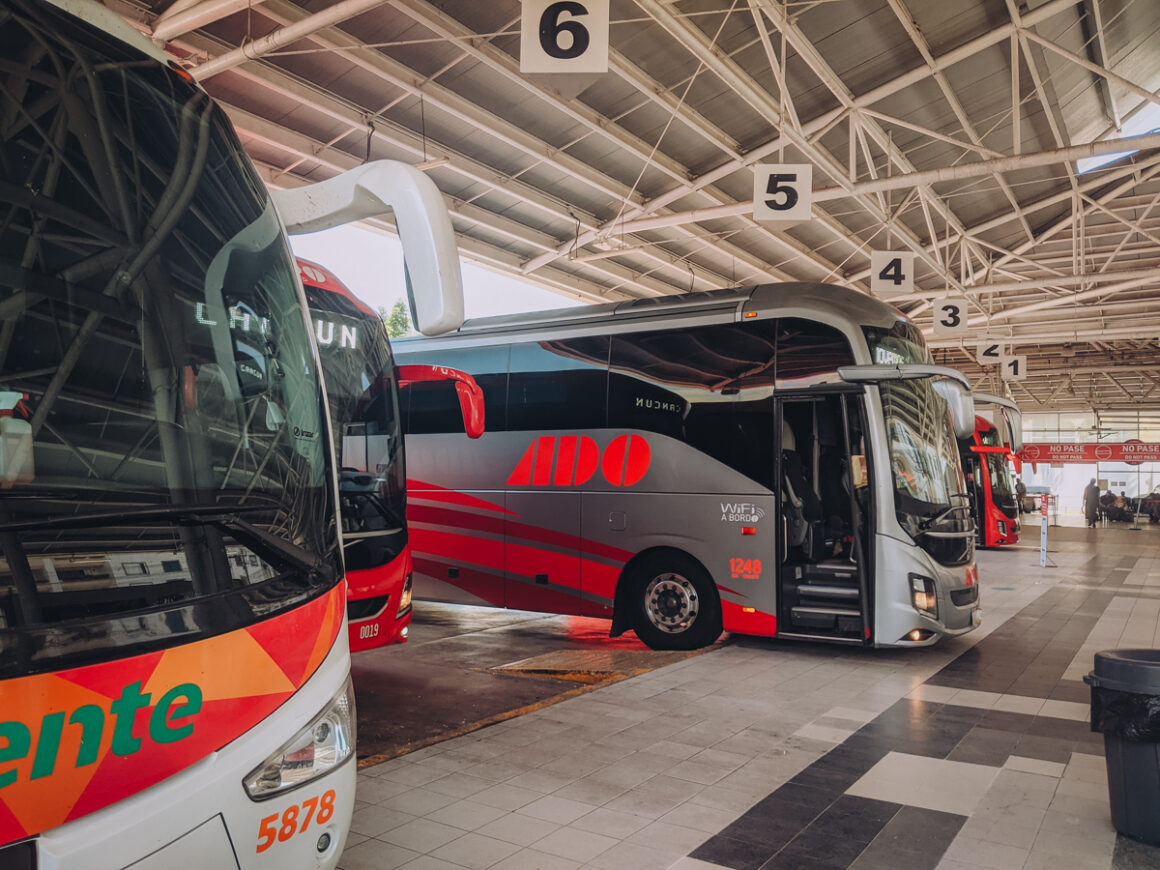
Mexico’s bus system is excellent and I say that as someone who has taken several long distance trips on them. Clean, comfortable, reliable — often with reserved seating, entertainment and Wi-Fi. It’s actually kind of nice to let someone else do the driving for once. ADO is the major carrier in eastern Mexico, Primera Plus covers a lot of the central regions.
Most airports have public buses and maybe even colectivos but these can be confusing for first timers — routes aren’t always clearly marked, schedules vary and luggage space is limited. If it’s your first trip or you’re arriving late at night stick with a pre-booked transfer or regulated taxi.
Rideshares
Uber is widely available in most Mexican destinations and works exactly like it does at home — you see the driver’s name, the vehicle, the plate number and there’s a PIN verification before you go anywhere. DiDi and InDrive have become really popular in recent years.
One thing to know — rideshare pickup rules around airports can get complicated. In Cancún for example Ubers aren’t allowed on federal property so you’ll need to arrange pickup just outside the airport zone. It varies by city so check before you land.
Driving
Renting a car and driving in Mexico is absolutely doable and a lot of fun — especially if you’re exploring one region and want to get off the tourist trail. Toll roads are well maintained and some of the best scenery is only accessible by car.
A few things you need to know before you get behind the wheel: U.S. auto insurance does not cover you in Mexico. You’ll need Mexican liability insurance which can be purchased easily online before your trip. However, to avoid buying something you don’t need follow the advice of the professional at the rental agency. Does adding the extra insurance cost more? Yes but the peace of mind is priceless.
Avoid driving after dark especially in rural areas — livestock roaming free on roads is not a myth. I’ve seen them myself. And topes — speed bumps — are absolutely everywhere. You will find them when you least expect them. Consider yourself warned.
Another thing about driving in Mexico: most gas stations aren’t self-serve have attendants that pump your gas and clean your windshield. Carry small bills for tipping them.
Paying for Things in Mexico
Mexico runs on the Mexican peso (MXN) and even though U.S. dollars are accepted in some tourist heavy areas like Cancún and Playa del Carmen — you’ll even see signs advertising it — pesos will always get you a better deal. Plus, when you pay in dollars, you won’t get change back in dollars and the exchange rate will not be in your favor.
A few best practices for handling money in Mexico:
Your best bet for exchanging money is an ATM attached to a bank — not a random convenience store machine. Airport exchange counters are convenient but the rates are not good so avoid them unless you’re truly stuck. Carry small bills whenever possible — a lot of smaller restaurants, markets and taxis simply can’t break large ones and it puts everyone in an awkward spot. A few coins are useful too.
Credit cards are widely accepted in larger cities and tourist areas but Visa and Mastercard are your safest bet. American Express and Discover aren’t as universally accepted so don’t rely on them as your only card. And no matter which card you bring — notify your bank before you travel. Nothing stops a trip faster than a frozen card on day one.
Tipping in Mexico: What You Should Know
Tipping is part of daily life in Mexico but the expectations — especially in tourist areas — have changed over the years. My Mexican friends will tell you to simply round up. Nothing more.
But if you’ve traveled to Mexico recently you’ve probably noticed that tourist areas now expect something closer to what you’d tip at home in the U.S. — and a lot of locals will tell you that’s on us, the gringos, for raising the bar.
I’ll give you the general guidelines below but take them as a starting point not a hard rule. Use your judgment, consider the service and don’t stress about it.
- Restaurants: 10–20% depending on service
- Bars: 10–20% or roughly 10–20 pesos per drink
- Hotel housekeeping: 20–50 pesos per day
- Bell staff: 20–50 pesos per bag
- Airport porters: 20–50 pesos per bag
- Grocery store baggers: 5–10 pesos — many are volunteers
- Parking & gas station attendants: 5–20 pesos depending on service
- Tour guides: 10–20% for private tours, 50–100 pesos per person for group tours
- Taxi drivers: Not required but rounding up is appreciated
- Rideshares: A small tip is appreciated but not expected
One more thing you should be aware of is that in some restaurants if you pay with a credit card there is no option to leave a tip on the card at the terminal like there is in the States. If you don’t have pesos or dollars, the waitstaff will not be compensated for their services. Another reason to have pesos with you at all times.
Southerner Says: A currency converter app makes all of this so much easier — especially when you’re standing at a market stall trying to do peso to dollar math in your head. I cover my favorite app for this and a few other Mexico travel essentials in my guide to apps for traveling in Mexico.
Food in Mexico
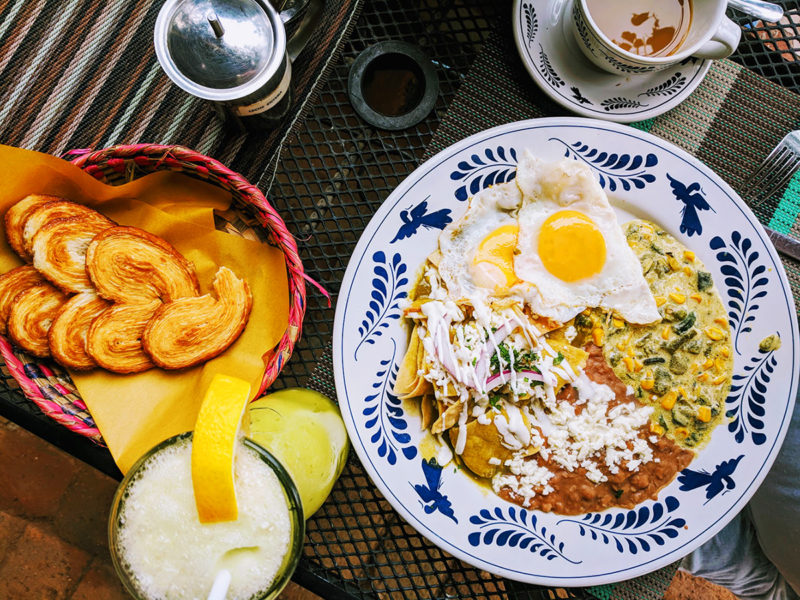
Let’s start with what’s most important — the food in Mexico is incredible and you should eat as much of it as possible. And I mean that. Mexico’s food scene goes way beyond what most U.S. travelers expect and it varies dramatically by region. The seafood in Baja is nothing like the food in the Yucatán which is nothing like Mexico City’s restaurant scene — but that’s a whole different article.
The best rule I’ve found for finding good food anywhere in Mexico is simple — look for the locals. A busy spot with a line of regulars at lunchtime is always going to be better — and more affordable — than the restaurant with an English menu near the tourist area.
Some of my favorite food memories in Mexico didn’t happen in restaurants at all — they happened on the beach or on a plastic stool at a food cart and even on the side of the road. That’s the real Mexico food experience and it’s not something you find in a glossy travel brochure.
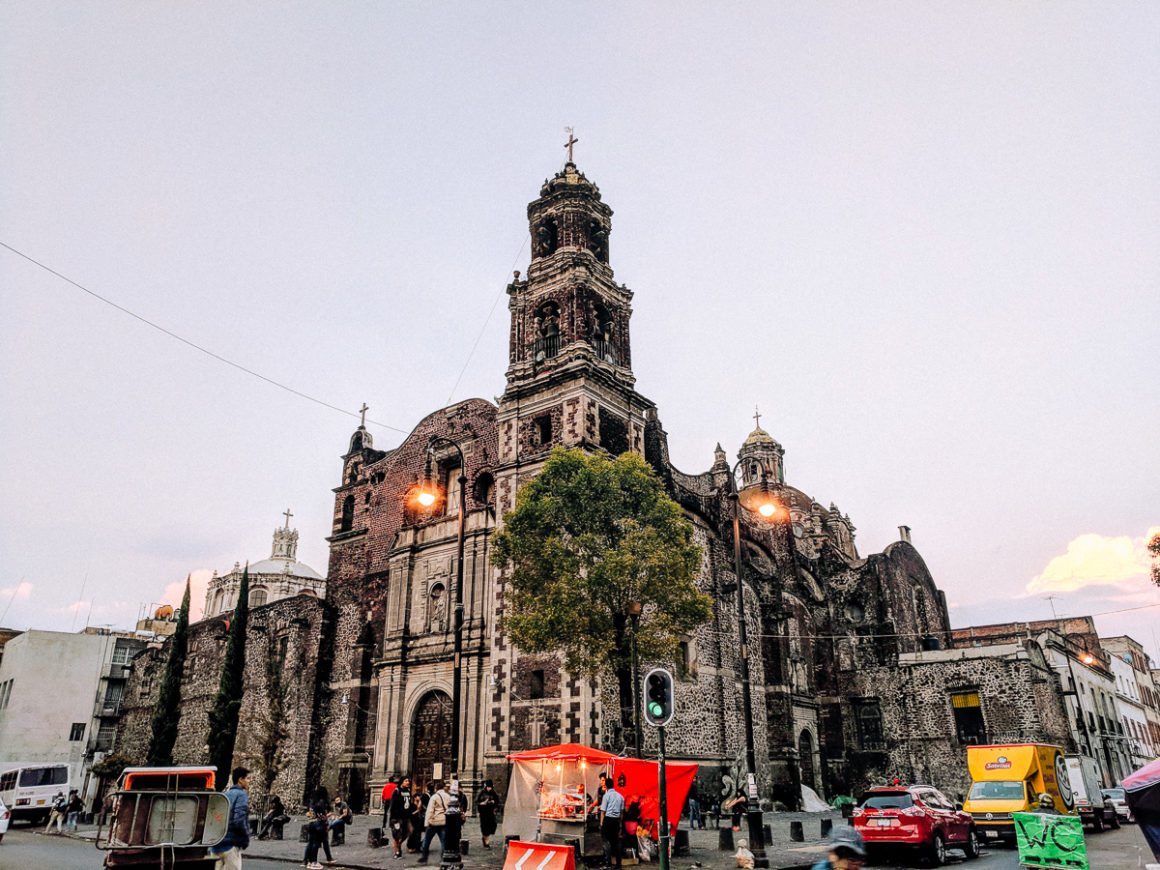
Eat Everything — But Read This First
I’ve eaten my way through Mexico for years without any real major incidents — except for a couple of times in Cancun way back when — and I want the same for you. Here’s what has helped me:
Drink bottled water — most hotels and resorts use filtered water for drinking and ice but when you’re out and about stick to bottled. It’s everywhere and inexpensive. Better yet, carry your own refillable bottle and take advantage of refill stations in the resort. It saves money and the environment.
If you have a sensitive stomach be careful eating raw vegetables, unpeeled fruit and uncooked food from places without high turnover. Or when it’s really hot outside. Salsas that have been sitting around in the sun do not do a body good.
That said — don’t let fear keep you from eating street food. Food from a cart might not be what you are used to on the states but it’s a way of life in Mexico and you would truly be missing out if you didn’t give it a try.
Pack Imodium, Pepto Bismol and some electrolyte packets just in case — not because you’ll definitely need them but because the one time you do and don’t have them is a very bad day.
Southerner Says: Want to know exactly where to eat in specific destinations? I’ve got you covered. My guides to where to eat in La Paz and where to eat in Puerto Vallarta are good places to start.
Staying Healthy in Mexico
Mexico has excellent medical care, particularly in major cities and tourist destinations. Private hospitals and clinics in places like Mexico City, Tijuana, Guadalajara and the major resort areas are modern, well equipped and staffed by well trained physicians.
Care is so good that medical tourism is a rapidly growing reason why people travel to Mexico. Whether for dental work, elective procedures or specialized treatments, healthcare is significantly more affordable than in the United States. It’s a topic worth knowing about even if it’s not the reason you’re traveling — and one I’ll be covering in much more depth soon.
Pharmacies in Mexico are worth knowing about too. They are everywhere, well stocked and you can consult with a pharmacist about minor issues — stomach problems, skin reactions, minor infections — without an appointment. Many medications that require a prescription in the U.S. are available over the counter in Mexico at a fraction of the cost. It’s one of those practical advantages of traveling there that nobody really talks about.
Get Travel Insurance — No Exceptions
I know it feels like an unnecessary expense when you’re already budgeting for a trip but travel insurance is non-negotiable as far as I’m concerned. A good policy covers medical emergencies, trip cancellations, flight delays and lost luggage — and the peace of mind alone is worth it.
One thing most travelers overlook when choosing a policy — make sure it includes medical evacuation coverage. Evacuation alone, whether that means being transported to a better equipped facility or back to the United States, can cost tens of thousands of dollars out of pocket. It’s the coverage people skip and the one they wish they hadn’t.
For shorter trips I recommend comparing policies on TravelInsurance.com to find the right plan for your specific trip. For longer stays or frequent travelers, SafetyWing offers flexible affordable coverage that doesn’t require you to be home based.
Southerner Says: As a travel advisor I’ve seen what happens when travelers skip the insurance and something goes wrong. Get the insurance. It costs less than one night at a resort and covers a whole lot more.
Do You Need to Speak Spanish?
The short answer is no — but a little effort is respectful. English is widely spoken in most major tourist destinations, resort areas and larger cities and you’ll find bilingual staff at hotels, touristy restaurants and tour operators in places like Riviera Maya, Los Cabos and Puerto Vallarta without any trouble.
The further you get from the resort zone though — and I really hope you do — knowing a bit of Spanish becomes much more useful. Smaller towns, local markets and rural areas are where a few basic phrases can completely change your experience. Locals genuinely appreciate the effort even if your pronunciation isn’t the best. It breaks the ice, shows respect and more often than not gets you a smile and better service.
You don’t need to be fluent. You don’t even need to be good. You just need a few basics and the willingness to try — a hola or buenos días goes a long way. Here’s a few more phrases that might be helpful:
Practical:
- ¿Habla inglés? — Do you speak English?
- No hablo español — I don’t speak Spanish
- No entiendo — I don’t understand
- ¿Puede repetir? — Can you repeat that?
- Más despacio, por favor — More slowly please
- ¿Me puede ayudar? — Can you help me?
- ¿Cuánto cuesta? — How much does it cost?
Getting around:
- ¿Dónde está…? — Where is…?
- A la derecha — To the right
- A la izquierda — To the left
- ¿Está lejos? — Is it far?
- ¿Cuánto cuesta el taxi? — How much is the taxi?
- Para aquí por favor — Stop here please
- ¿Cómo llego a…? — How do I get to…?
Polite & social:
- Hola — Hello
- Por favor — please
- Gracias — thank you
- Con permiso — Excuse me/pardon me
- De nada — You’re welcome
- Mucho gusto — Nice to meet you
- Salud — Cheers/bless you
Food & Dining:
- Solo efectivo — Cash only
- Sin hielo, por favor — No ice please
- Tengo alergia a… — I’m allergic to…
- ¿Qué es esto? — What is this?
- Está delicioso — This is delicious
- ¿Qué recomienda? — What do you recommend?
- La cuenta, por favor — Check please
Y la pregunta más importante: ¿Dónde están los mejores tacos? — Where are the best tacos?
Staying Connected South of the Border
Staying connected in Mexico is easier than you might think but a little preparation before you leave can save you from some surprises on your phone bill.
Most major U.S. carriers offer international plans for Mexico and they’re worth adding before you travel. I use Verizon and their Mexico plan works well — though border areas can be unpredictable. Fair warning — my phone once switched to a Mexican carrier while I was in San Diego, nowhere near the border, and I got hit with an international charge. Check your carrier settings before you travel and keep an eye on it.
If you’d rather avoid extra fees entirely an eSIM is a solid option — you can download one through apps like Airalo or GigSky before you leave or if you prefer a physical SIM card pick one up at an OXXO convenience store once you land. OXXO’s are everywhere in Mexico — sometimes even in the airport parking lot — and they’re one of the most useful stops you’ll make.
WhatsApp is non-negotiable in Mexico. Everyone uses it for everything — booking tours, confirming reservations, communicating with hotel staff, coordinating with drivers and guides. Download it before you go and don’t be surprised when a business sends you their WhatsApp number instead of an email address. It’s just how things work and it’s more efficient.
You’ll find reliable WiFi in most places like hotels, resorts and cafés so you won’t be completely dependent on your data plan. Honestly the Wi-Fi in Mexico puts the U.S. to shame and you don’t have to pay a peso.
The Unwritten Rules of Mexico
No travel guide or person can fully prepare you for the feeling of Mexico — but taking a few cultural notes can help you show up as a respectful, aware traveler rather than just another tourist passing through.
Mexicans are some of the warmest, most gracious people you will ever meet. But warmth is a two way street. A simple greeting and a smile before you launch into asking for something — directions, a table, help finding something in a shop — changes the entire tone. You are a guest in their country. Act like it and you will be treated extraordinarily well.
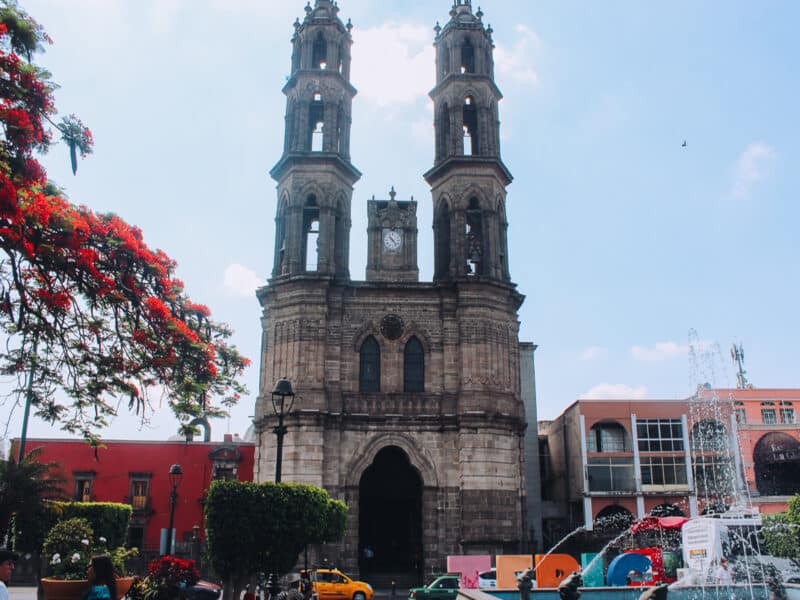
If you visit churches or religious sites — and you should because they are extraordinary — dress modestly. Covered shoulders and knees are the standard expectation. It takes thirty seconds of planning and it’s a simple sign of respect.
Bargaining is acceptable and even expected at markets and from street vendors — but do it with a smile and a sense of humor. It’s a social exchange not a confrontation. If you agree on a price honor it. Walking away after negotiating down is considered rude and frankly it’s just bad form.
Something worth thinking about though — Mexico is changing. Gentrification is real, prices are rising in many popular destinations and North American travelers from this side of the border have played a significant role in that. The “Mexico is cheap” mentality is outdated and a little disrespectful at this point.
A vendor at a market is trying to make a living. If the price is fair — and it usually is — just pay it. Your few saved dollars mean a lot more to them than they do to you.
Finally — you’ll see this mentioned in every travel blogger’s tip list now — but in some older buildings and rural areas the toilet paper goes in the trash not the toilet. Signs will tell you when this is the case. It sounds alarming the first time. You get used to it faster than you think.
Remember: all these little things that feel different or feel wrong compared to “back home” are helping you explore another culture. Mexico might challenge you but it will feed you well and make you want to come back before you’ve even left — and if you’re anything like me, you will.
Ready to Plan Your Trip to Mexico?
Now that you have a better understanding of the things to know before visiting Mexico — you’re ready to go. The rest is just showing up with an open mind — and maybe some sunscreen.
If you’re ready to start planning — or if the whole thing still feels overwhelming — that’s exactly what I’m here for. As a travel advisor I work with travelers to create personalized Mexico itineraries, resort stays and experiences from Baja to the Yucatán and everywhere in between. Whether you’re planning your first trip or your fifteenth I can help you make it the best one yet.
Fill out this form and I’ll be in touch to start building your perfect Mexico trip.
And if you’re not quite ready to book but want to keep exploring Mexico — here are a few good places to start:
- Weekend in Mexico City
- Best Area to Stay in Puerto Vallarta
- Travel Guide to Cabo San Lucas
- Terrific Things to do in Tepic, Nayarit
- How to Spend Two Days in Sayulita
See you south of the border!

Author: Lori Blalock
A girl raised in the South, Lori is the founder of Southerner Says and is a travel advisor who’s road tripped all 50 states and visited over half of the Mexican states. Passionate about national parks, public land, sunsets and good barbecue, she writes about and helps others plan memorable adventures in the U.S., Mexico and Caribbean. Georgia is home — but she’s rarely there.