

MEXICO
This page is under construction so all links might not work the way they are supposed. Use the search (magnifying glass) in the upper right corner to find something specific.
My Mexico Story
I fell in love with Mexico when I was fifteen on a high school Spanish class field trip. The whole thing was very serendipitous — I didn’t know any Spanish and it wasn’t even my high school. But when someone dropped out last minute, friends going on the trip invited me to fill the spot. To this day I still can’t believe my parents let me to go.
I’m really glad they did because that trip changed everything. I fell in love with Mexico. The sights, the sounds, the people — and it keeps calling me back.
Mexico Essentials
Location: Southern North America, bordered by the US to the north, Guatemala and Belize to the south
Language: Spanish is the most widely spoken language, but Mexico recognizes 68 other indigenous languages. English is spoken in most tourist areas.
Entry Requirements: Valid passport required. US and Canadian citizens do not need a visa for stays under 180 days. An FMM tourist card is required for all visits — free for stays under 7 days, paid for longer stays. If you’re flying into Mexico the FMM is included in your airline ticket.
Currency: Mexican Peso (MXN). Cash is still important in many areas — ATMs are widely available but notify your bank before you travel.
Electricity: Same plug type and voltage as the US (Type A/B, 120V). No adapter needed.
When to Go: November through April is dry season and ideal for most regions. The rainy season runs June through October — still a great time to visit, just pack for it.
Good to Know: Don’t drink the tap water. Stick to bottled or filtered water — most hotels and resorts provide it.
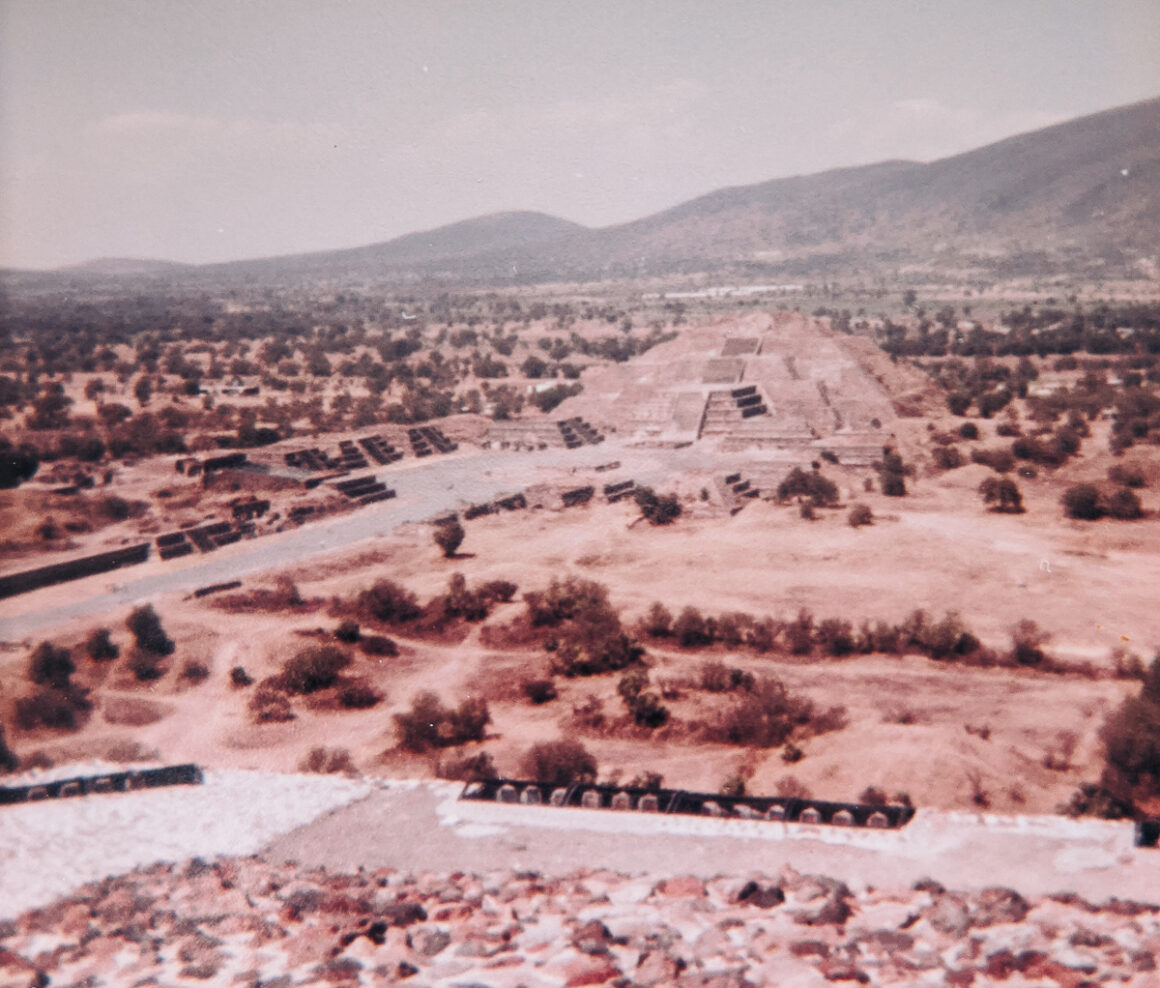
Teotihuacan and the pyramid of the sun from my first visit to Mexico.
Best Time to Go to Mexico
Dry Season (November–April) — the sweet spot for most of Mexico. Best for the Pacific coast, Baja and the Yucatán. Temperatures are mild, rain is minimal and everything is open. Peak season means higher prices and more crowds at the popular spots — book ahead.
Rainy Season (May–October) — afternoons bring rain but mornings are often beautiful. Prices drop, crowds thin and the landscape turns green. A good time for Mexico City and the interior where the rain is more predictable. Not the best for beach trips unless you’re flexible.
Hurricane Season (June–November) — primarily affects the Caribbean side and the Pacific coast. Not a reason to avoid Mexico but worth understanding before you book. Travel insurance is especially important during these months.
Getting to and Around Mexico
By air — Mexico is connected from the US with direct flights to major cities like Mexico City, Guadalajara, Tijuana and Cancun. AeroMéxico is the country’s flagship carrier. Regional air travel within Mexico is good. Volaris and Viva Aerobus are solid low-cost options for domestic routes — great for hopping between regions once you’re there.
By bus — Bus travel in Mexico is reliable and affordable, especially for regional routes. Several reputable lines connect major cities and tourist destinations with comfortable coaches. One thing to watch — local and some regional lines make many stops which can significantly add to your travel time. Book non-stop or directo service when you can.
By car — Driving in Mexico is a great way to explore outside the resort areas and see the country at your own pace. It’s a bit different than driving in the U.S. but road conditions are good throughout Mexico with toll roads similar to interstates. Discover Cars can help with rentals and the correct insurance coverage.
Types of Travel in Mexico
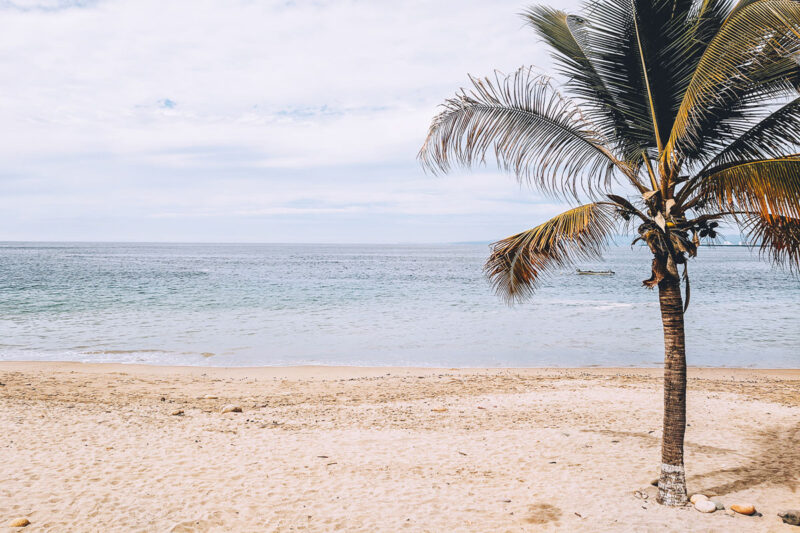
Mexico works for every travel style. All-inclusive resorts along the Riviera Maya are ideal for a first trip, a family vacation or when you just want everything handled. The Pacific coast is better for travelers who want a more classic Mexico experience. City travel in Mexico City for the curious and the adventurous. And if ruins and cenotes are on your list, the Yucatán Peninsula is it.
Where to Stay in Mexico
Mexico has accommodation for every travel style and budget — and some options you won’t find anywhere else.
Posadas are small, family-run inns traditionally built around a central courtyard. They’re some of the most charming places to stay in Mexico — personal, affordable and rooted in the local community. If you find one in a colonial city or small town, book it.
Boutique Hotels have had a moment in Mexico and for good reason. From converted haciendas in the Yucatán to cliffside design hotels in Puerto Vallarta, the boutique scene here is exceptional.
All-Inclusives dominate the Riviera Maya and parts of the Pacific coast. They range from budget to ultra-luxury and when done right, they’re genuinely a great way to experience Mexico — especially for first timers or families.
Chain Hotels are available in every major city and resort area. Reliable, consistent and easy to book — good for business travel or when you just want to know exactly what you’re getting.
Homestays and Vacation Rentals are a great option for longer stays or travelers who want to live more like a local. Particularly good in Mexico City, Oaxaca and other cultural destinations.
Mexico Travel Guides
CABO SAN LUCAS
TODOS SANTOS
LA PAZ
Ready to Plan a Trip to Mexico?
Start with these guides:
- Is Mexico Safe for Travel?
- Things to Know Before Visiting Mexico
- Mexico Tourist Card: Do You Need One?
- 25 Best Places to Visit in Mexico
- 5 Essential Apps for Traveling in Mexico
Not sure where to start or want someone else to handle the details? I’d love to plan your trip. Fill out this simple form or send me an email and let’s get started.
FAQ
Frequently Asked Questions About Traveling to Mexico