
ICELAND
Iceland Travel Guide: Everything You Need to Plan Your Trip
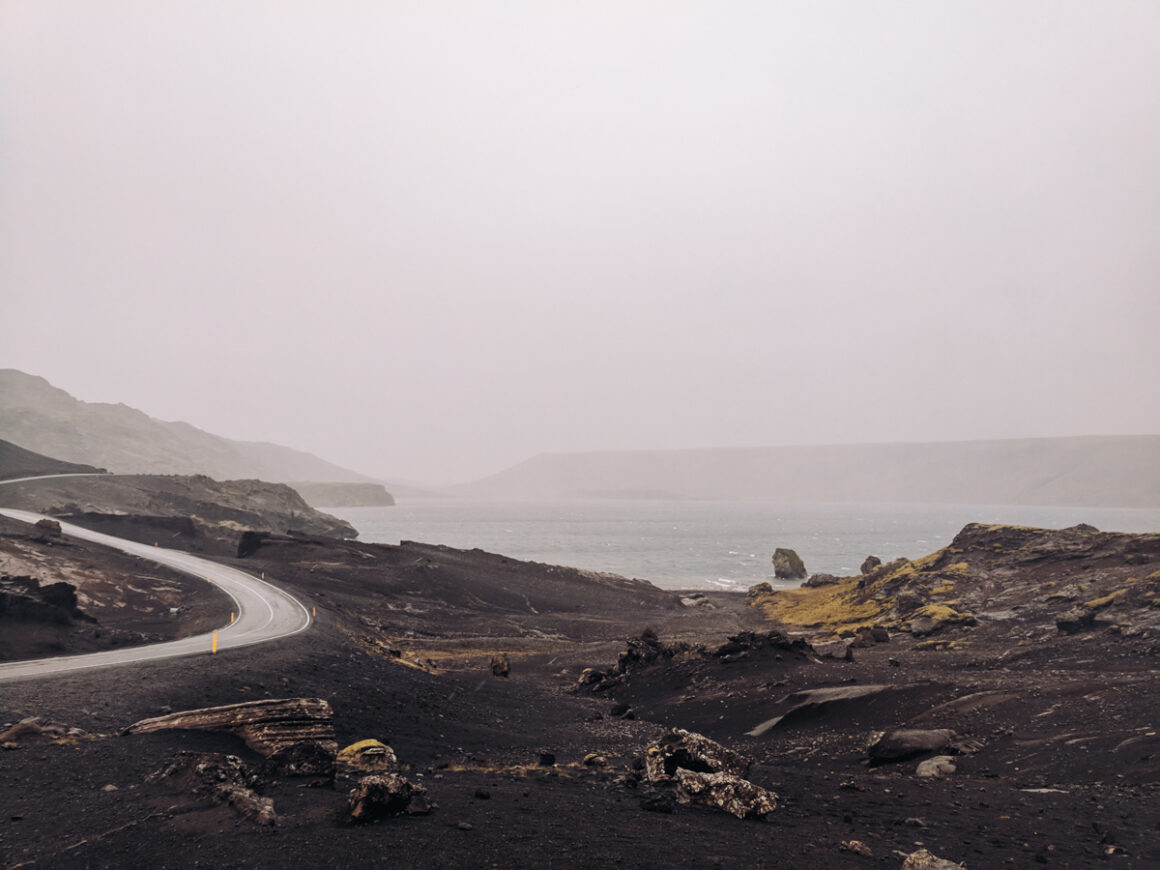
One day you’re in Newark and the next you’re standing in the most jaw-dropping landscape you’ve ever seen — and even the wind, sleet and rain can’t bring you down. That’s Iceland. Go once and you’ll already be planning a return visit before you ever even leave.
Iceland Essentials
Location: North Atlantic Ocean, between Greenland and Norway
Language: Icelandic is the official language. English is widely spoken throughout the country.
Entry Requirements: Valid passport required. US and Canadian citizens do not need a visa for stays up to 90 days. Iceland is part of the European Schengen Area.
Currency: Icelandic Króna (ISK). Iceland is essentially cashless — credit cards are accepted everywhere including parking meters. Tipping is not customary.
Electricity: Type F plugs, 230V. US travelers will need a plug adapter.
When to Go: June through August for the midnight sun and best driving conditions. September through March for the northern lights and winter landscapes.
Good to Know: Iceland’s weather changes fast — sometimes within the hour. Layers and a waterproof jacket are essential regardless of season.
Getting to Iceland
Iceland’s international airport is Keflavík International Airport (KEF), about 45 minutes from Reykjavík. Icelandair, PLAY and most major international carriers fly direct from North America and Europe.
The flight from the East Coast is only about five hours — that’s enough time to sleep on the plane and hit the ground running. Look for flights from Boston (BOS), Newark (EWR) and New York City (JFK) on Skyscanner.
Travelers from the US, Canada and the EU don’t need a visa for stays under 90 days. Confirm entry requirements based on your nationality before you go.
If you aren’t renting a car, the Flybus transfer from Keflavík airport to Reykjavík is the most affordable option at around $25-30 USD one way. Skip the much more expensive taxi.
Getting Around Iceland
Iceland is made for road trips. Renting a car gives you the freedom to stop when you want, stay as long as you want and find the places that aren’t on anyone else’s itinerary.
Public transportation is limited outside Reykjavík so having your own wheels isn’t just convenient — it’s pretty much essential if you want to see the country properly.
Camper vans are also popular and give you flexibility on accommodations, especially if you’re planning to drive the Ring Road. I haven’t done the camper van route yet but it’s on the list.
Compare rental car rates on Discover Cars before you book — you can filter for things like automatic transmission which matters in Iceland since many cars are manual.
Top Places to Visit in Iceland
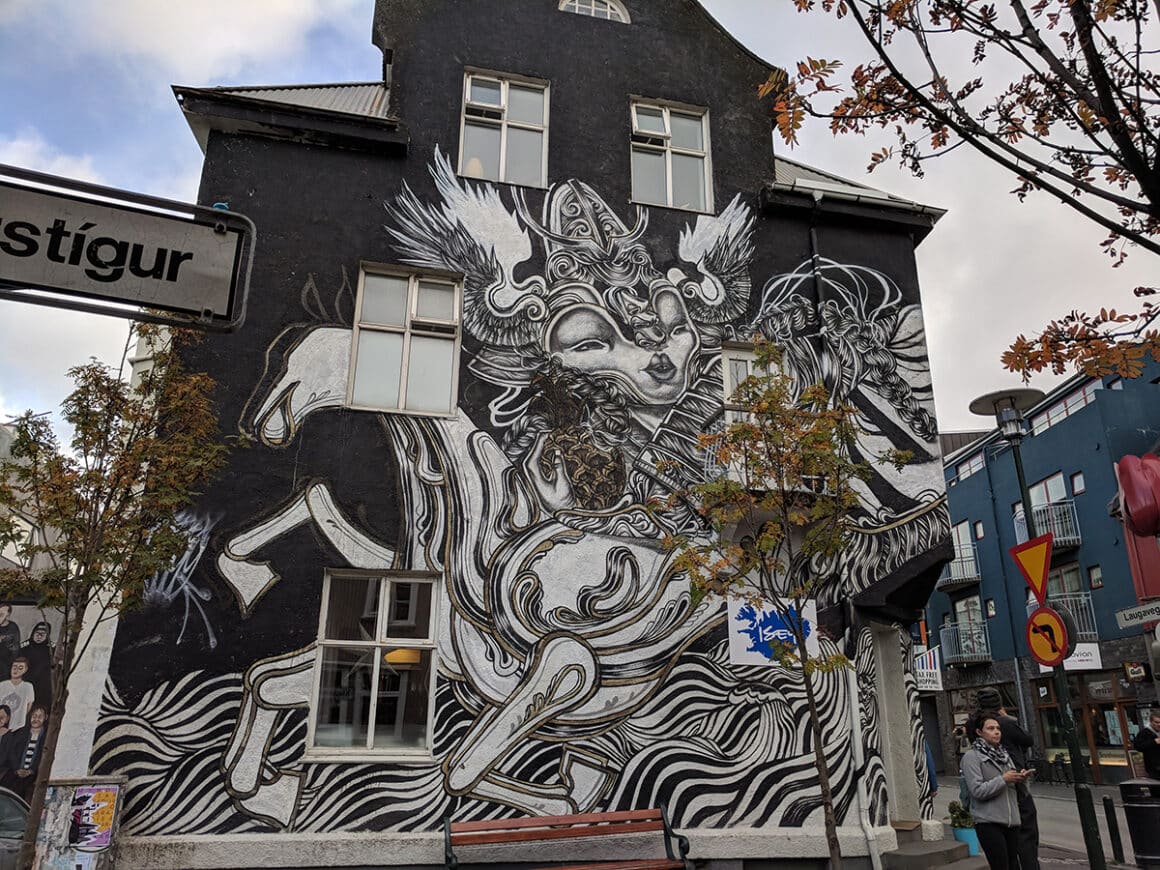
Reykjavík Iceland’s capital is compact, walkable and full of surprises. Most people use it as a base or pass-through — don’t make that mistake. Give it at least two days. Read: Things to Do in Reykjavík.
Reykjanes Peninsula Right outside the airport and often overlooked. The Blue Lagoon is here but so is a UNESCO Global Geopark with over 55 geosites, dramatic lava fields and the Bridge Between the Continents.
The Golden Circle The most popular day trip from Reykjavík and worth every bit of the hype. Thingvellir National Park, Geysir and Gullfoss are the headliners but the real magic is everything in between. Read: Golden Circle Itinerary: What to See in One Day.
The South Coast The longer, more dramatic drive. Waterfalls, black sand beaches, glacier lagoons and one of the most beautiful roads you’ll ever be on. [South Coast Guide → coming soon].
FAQ
Frequently Asked Questions About Iceland
Planning Your Trip
Whether you have four days or two weeks, Iceland is an amazing destination. Know what you want to prioritize, have a good plan and a well thought-out route in mind and leave some extra room for the unexpected — because Iceland will surprise you in the best way possible. I found my journal from my trip and it said “just when you think you have Iceland figured out, it surprises you”.
And if it all sounds a little too overwhelming, then I’d love to help plan or plan it for you. Fill out this easy form or feel free to send an email.