
17 Road Trip Mistakes You Don’t Want to Make
Road trips are my favorite way to travel but I’ve driven enough miles to know that when you spend time on the road, mistakes will be made. It could be something simple like forgetting an item or a more serious thing like not checking a vehicle warning light.
Even if it’s a small mistake, in an unfamiliar place, without your usual resources, it can feel overwhelming. The good news is a lot of road trip mistakes are totally preventable. A little advance planning and a few things in place before you leave means nothing will catch you completely off guard. These are the road trip mistakes to avoid.
Don’t Make These Road Trip Mistakes
1. Not Checking Your Vehicle Before the Road Trip
Not checking your vehicle before you get on the road is one of the biggest road trip mistakes you can make. Since road trips involve long hours, different terrain and changing conditions — your car has to be ready for all of it. Tires, fluids, battery, warning lights — check them before you leave. Most repair shops will do a basic inspection for free.
And don’t overlook the small stuff. My car had a broken gas cap attachment that I had intended on fixing forever. As luck would have it, it was on a road trip in Michigan, that after filling up with gas, my daughter forgot to close the gas door and left the cap on the trunk. We heard the door shut about a mile down the road and I knew immediately what happened.
We searched for over an hour in the dark and finally gave up. We ordered replacement caps and went out of our way to parts stores in two states only to find out they were the wrong caps. Ultimately, we made it home to Georgia — over a thousand miles without the cap. I had a plastic bag and hair tie hack planned just in case it rained.
Even though it wasn’t a trip wrecker, this experience taught me to check everything for potential issues. Also, having a few tools and supplies can keep small problems from becoming bigger ones. A tire gauge, a can of fix-a-flat and a jump box that has the capability to start a vehicle plus air up a tire are important ones.
2. Forgetting to Pack Essential Items
We’ve all done it — packed our bags and left something at home. Like that one time you left your camera charge cord at home and have zero photos of your nine year old in Guadalajara will always make you sad.
Most things can be replaced at a Walmart or drug store. But specialty items — prescription medications, CPAP supplies, specific cords and chargers — aren’t so easy to track down on the road. To prevent forgetting things use a packing list and check things off. It takes five minutes and saves hours of backtracking.
Southerner Says: I’ve learned about forgetting things the hard way. Save yourself the trouble and grab my free road trip packing checklist before your next trip. Get it here.
3. Not Staying Connected
Staying connected on a road trip means more than having a working phone. It means being prepared when the signal disappears — and at some point it probably will.
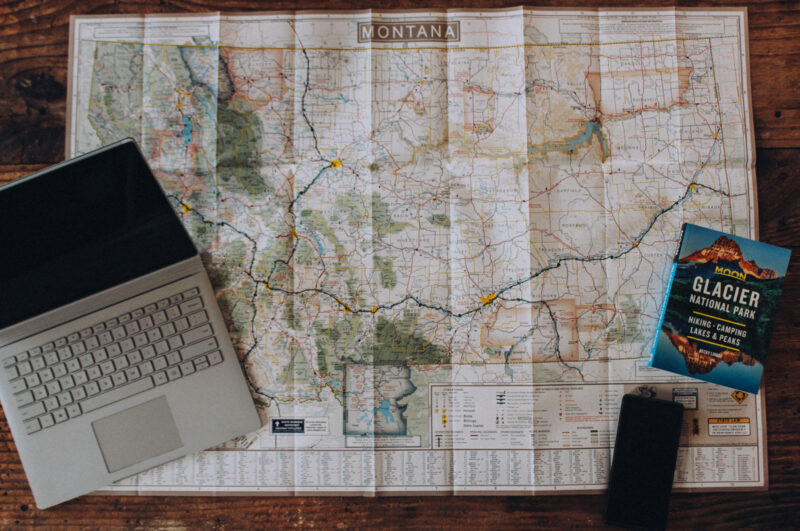
Before you leave, download your routes to offline Google Maps. Once you’re out of cell range in the middle of Montana or the Nevada desert, a downloaded map might be the difference between knowing where you are and getting lost.
Pack all the chargers you need and make sure they actually work before you leave the driveway. A portable power station — this is the one I have — not just a small battery pack but an actual station that can charge multiple devices if the car charger fails is a good investment too.
I’ll admit I’m a bit obsessed with paper maps. I keep a road atlas in my car and stop at every welcome center to grab a state map. They’re free and often show scenic byways and points of interest that Google Maps doesn’t. Grab one when you cross state lines.
4. Leaving at the Wrong Time
There used to be a time when leaving work early on Friday and hitting the road was a good idea. That way you could get a head start and avoid all the traffic congestion on Friday evening and that usually happens on Saturday.
But now, Friday traffic is as bad as Saturday and Sunday in some places. There’s nothing more frustrating than just getting going on your road trip only to be stopped by traffic. To try and avoid that scenario, calculate your route ahead of getting on the road so that you aren’t passing through busy cities at the wrong time.
Map apps like Google Maps can help you in areas you’re unfamiliar with and help calculate the time you need to travel through an area. That way you’ll know about busy traffic times and you’ll have a chance to reroute and avoid it altogether.
5. Driving Faster Than the Speed Limit
Nobody wants to see flashing blue lights in the rearview mirror on a road trip. It’s an unwelcome sight anywhere but especially on a road trip.
Small towns, school zones and construction zones are the places to be most careful. Speed limits drop fast and they’re enforced. I live near a busy interstate and I’ll just say this — out of state plates seem to attract attention. Whether that’s intentional or not, don’t give anyone a reason to pull you over.
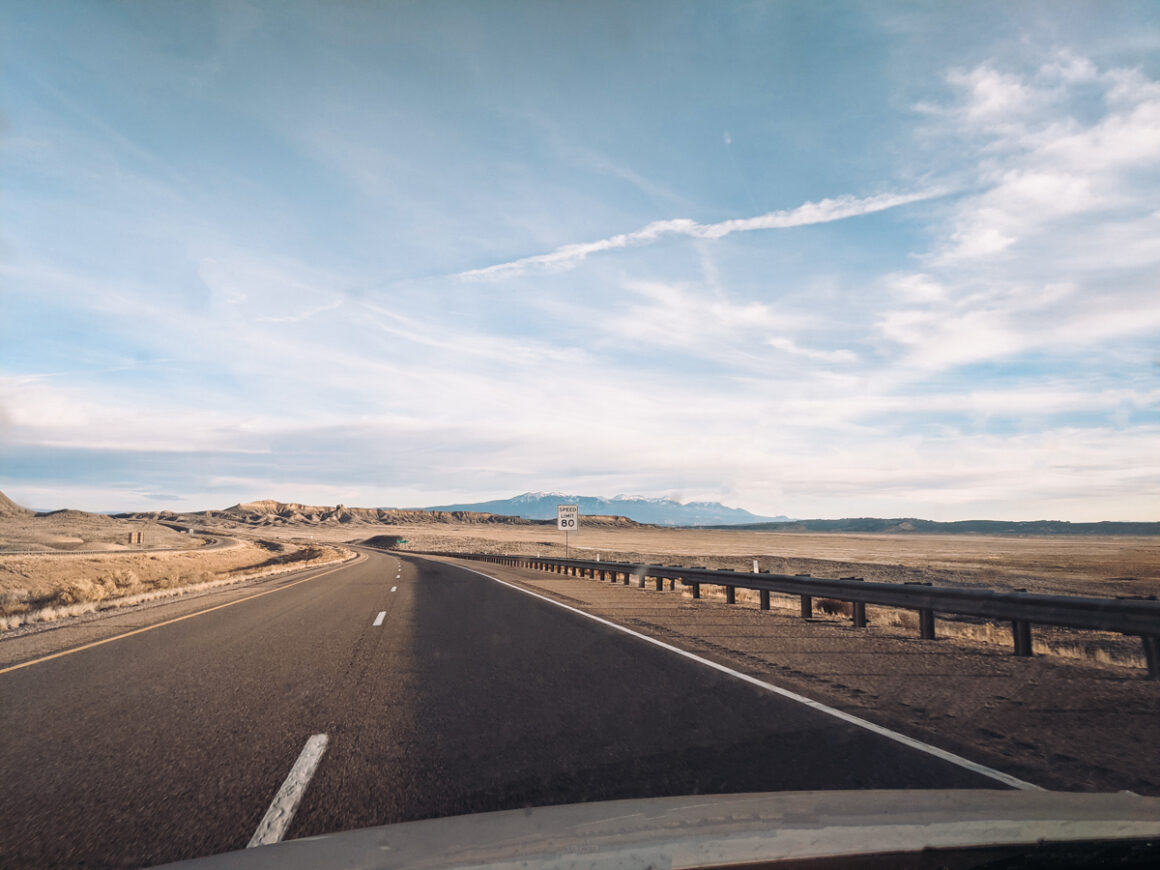
When you’re driving in unfamiliar territory, conditions might be different from what you’re used to at home. Pay attention, put the phone down and drive the speed limit. If you have a hard time holding a steady speed on long stretches, that’s what cruise control is for.
6. Not Having Important Paperwork
Hopefully you won’t get stopped by the police on a road trip but if you do, one of the first things they’ll ask for are is the paperwork — drivers license, registration and insurance. Make sure you have easy access to all of that.
You probably have your license in your wallet but when was the last time you checked to make sure your vehicle registration and up-to-date proof of insurance are in the vehicle? Verifying you have those items on hand can save you a world of headaches.
In most states a digital copy of your insurance is fine — just make sure you have it saved to your device or know how to pull it up before you need to and verify everything is current before you leave home.
7. Not Having Cash on Hand
I never leave home without cash and I mean never. You just never know when you’ll need it.
Case in point: I hit a hole on I-285 fifty miles from home in the rain. I needed help fast and didn’t want to wait for roadside assistance so I limped my way to the next exit — where fortunately there’s a truck stop. I was able to call a mobile mechanic but guess what? He only took cash or Apple Pay and I have an Android. Thank goodness my husband and his iPhone took care of it. And if you are wondering: I still missed my event.
Scenarios like this are a great reason to keep some cash in your wallet, a small stash in the glove box and a jar of change for tolls. Even thought that’s not much good for anything but air for tires, tolls and the occasional ice cream.
8. Traveling Without an Extra Key
Losing your car key has to be one of the most stressful things that could potentially happen on a road trip. And the most expensive. If you drive a vehicle with a key fob, replacing it is even more of a headache. A fob for a newer car can run anywhere from $150 to $500 or more depending on the make and model and where you are able to get it.
To avoid this situation, someone else traveling with you should have an extra key. Two people with a key means half the chance of being stranded. If you’re solo, have a backup hidden somewhere on the vehicle. And before you leave home, make sure your extra key fob actually works. Batteries die — sometimes quickly. It’s not a bad idea to keep those stashed away too.
9. Not Fueling Up When You Can
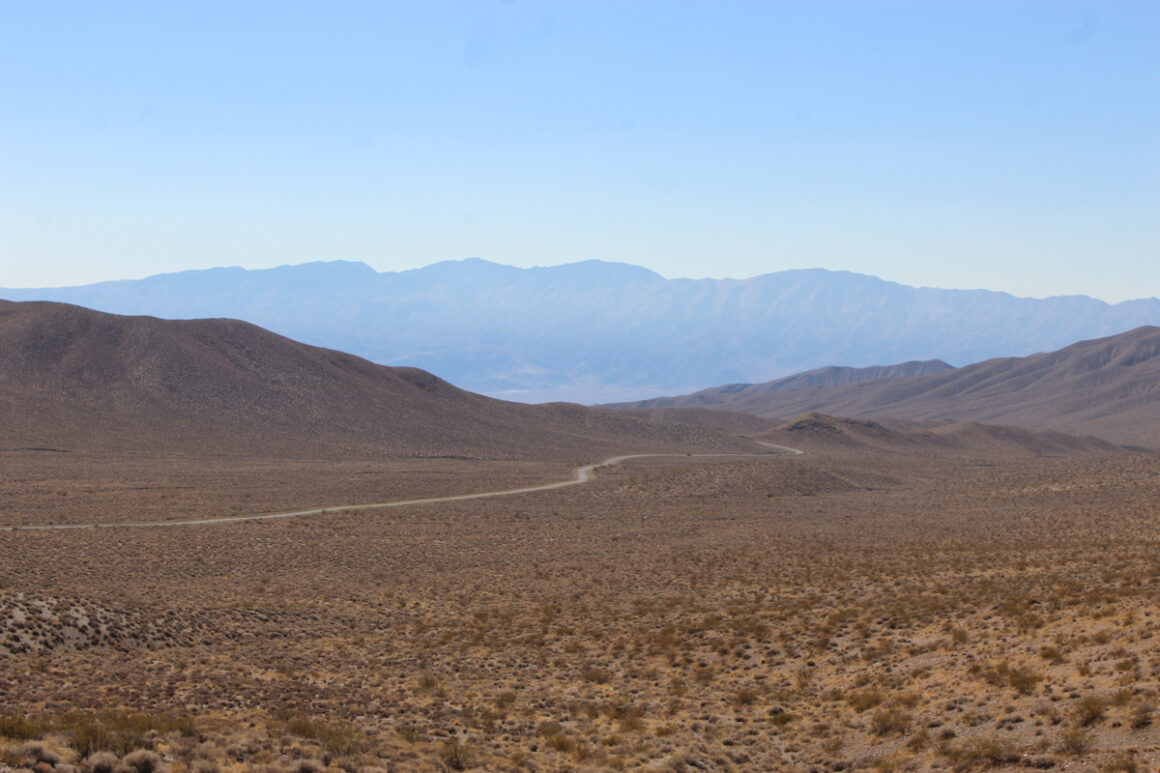
If you live in the eastern U.S. you’re probably used to gas stations on every corner. Head west and that changes fast. Once you get to the Great Plains and the Western States, gas stations are fewer and farther between.
When I’m road tripping out west — especially off the interstate — I never let my tank drop much below half. Getting into this habit means you’re never forced to stop in somewhere you don’t want to or where gas costs more. The rule is simple: fill up before it becomes a have-to situation.
10. Driving Too Much
Road trips are supposed to be fun. Don’t plan so much driving just to get somewhere that every stop feels like a burden and every detour feels like a setback. If you don’t have enough time to make some fun stops and enjoy yourself then your road trip is just another drive.
Even a short rest area break makes the trip more enjoyable. Experts recommend getting out of the car every two to three hours—your legs need it and so does everyone else in the vehicle. Some of the best discoveries on a road trip happen when you stop somewhere you didn’t plan to.
11. Not Packing Food & Snacks
Eating out every meal on a long road trip gets expensive fast. Grabbing snacks at convenience stores all day adds up too. Pack your own food — a cooler, sandwich supplies, snacks and few things that feel like real food rather than just survival eating sunflower seeds and peanut butter.
Keeping some food items in the car also saves valuable time. Rather than making frequent stops to search for food, you always have something easily available. This is particularly helpful when driving through areas with limited choices or during late-night hours when restaurants might be closed.
12. Never Leaving the Interstate
The interstate is efficient and good for getting somewhere fast but it bypasses everything interesting. The best discoveries on a road trip happen when you leave the highway — a roadside diner nobody had on the list, a scenic overlook you would have missed or a small town that wasn’t in any travel guide.
Change up your drive whenever you can. Scenic byways, rural routes and secondary roads add an element of surprise and give you a real sense of the places you’re driving through. The interstate will get you there but the backroads will give you something to talk about.
Need more road trip inspiration? Check Out These Guides
13. Wasting Time on Stops
Necessary stops are part of road tripping but they can eat up your day if you’re not intentional about them. Fuel, food and bathroom breaks are non-negotiable — but if you’re making three separate stops for three separate things you’re losing time you could be spending on the road or doing something actually fun.
Combine stops when you can. Pull off at an exit that has a gas station and a restaurant and take care of everything at once. It sounds simple but it makes a surprising difference over the course of a long day of driving.
Where you stop matters too. Exits in cities or tourist areas mean traffic, construction and crowded parking lots. A quieter exit a few miles down the road often has the same options with a fraction of the hassle. I’ve learned to look a few exits ahead on the map rather than stopping in large urban areas.
And if you’re traveling with other people — coordinate. Nothing adds time like stopping twice in twenty miles because someone didn’t speak up when everyone else was ready to stop.
14. Not Checking the Weather Forecast
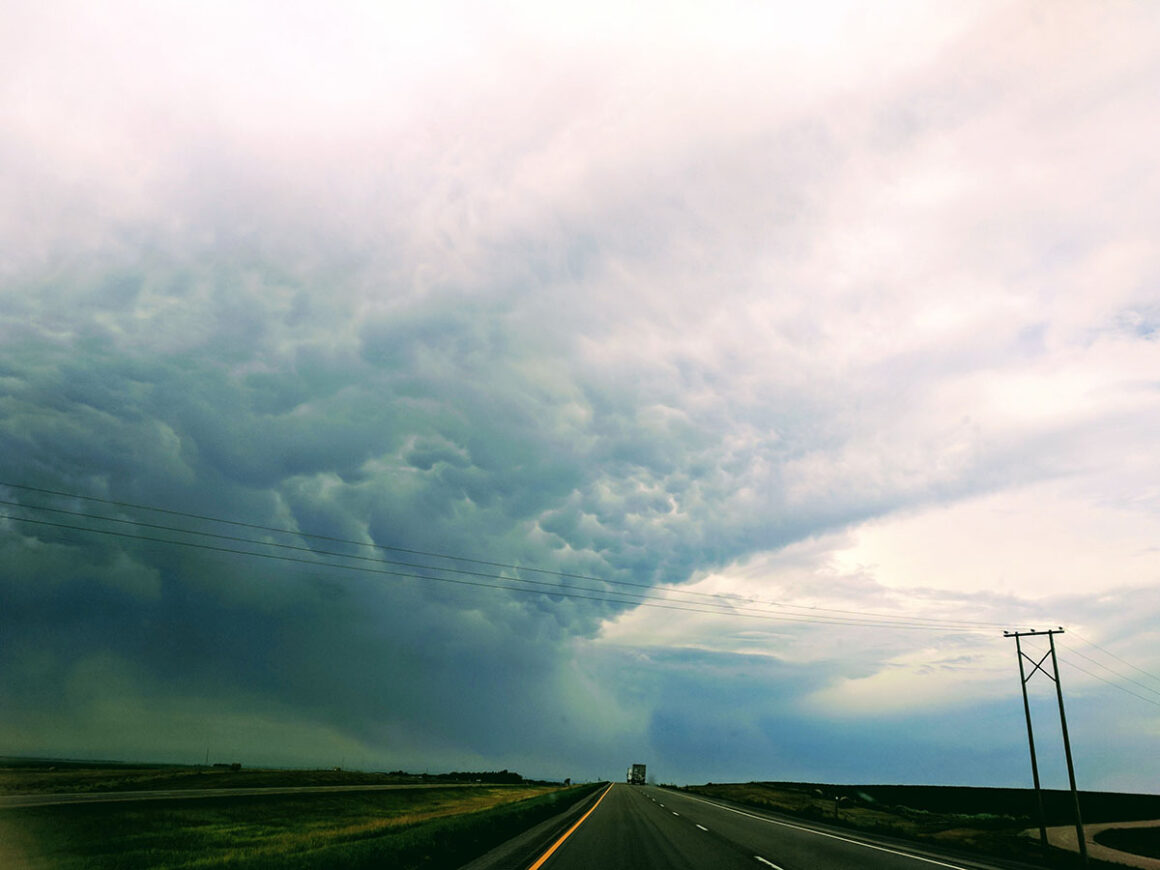
This is an easy mistake and I’m guilty of it. I once spent most of a night in a flooded Walmart parking lot with strong winds, torrential rain and hail wondering if I was going to float away or get struck by lightning in my car.
Had I looked at the weather before I got there I would have seen the massive storm system moving through and stopped somewhere safe ahead of it. As it was I was lucky to find the Walmart that was practically the only thing in town.
A quick weather check before you leave and drive into a new area can keep you out of situations like that. For road conditions—especially in winter or if you’re driving through mountain passes — a state Department of Transportation website is one of the best resources out there.
Most states also have a DOT app. They’ll show you closures, ice, construction and hazardous conditions before you’re already in them. Bookmark it before you leave.
15. Forgetting an Emergency Kit
A few years ago thousands of people were stranded overnight in Atlanta after a winter storm moved through and turned the interstates into ice. My brother-in-law was one of them — stuck in his car overnight, unprepared, without food. That same day, it took me three hours to make a trip that should have taken thirty minutes. It could have easily been me stranded.
Ever since then I keep water, snacks and a blanket in my car not just on road trips — all the time. You never know when you’ll need it. A basic emergency kit doesn’t have to be complicated. At minimum add a first aid kit, a flashlight with extra batteries, any medications you rely on daily and something to eat and drink if you’re stuck somewhere for a few hours.
A pre-made emergency kit works too if you don’t want to put one together yourself. Either way don’t skip it. The one time you need it you’ll be so glad to have one.
16. Thinking You Don’t Need Travel Insurance
Most people assume their health insurance covers them on the road. It might — but possibly at out of network rates which can mean enormous out of pocket costs depending on your policy. Before any road trip check with your insurance company about out of area coverage.
Travel insurance can help fill the gaps. Some policies also cover emergency evacuation, trip interruption and other things your health insurance won’t touch. The cost is small compared to what you could be on the hook for without it. Compare policies and find exactly what you need at travelinsurance.com.
17. Skipping Road Side Assistance
That I-285 tire story is exactly why you need roadside assistance. Even though I chose not to use it that time there was another time when AAA saved me and helped me make a flight I had the same evening. It took them a while — I mean it’s Atlanta — to get there but once they showed up it was ten minutes and I made my flight.
The thing about roadside assistance is you never think you need it until you desperately do. A flat tire, a dead battery, running out of gas in the middle of nowhere, locking your keys in the car — these things happen to experienced road trippers too. It’s not a matter of if, it’s a matter of when.
Road side assistance gives you peace of mind knowing you have someone available to help and you won’t get stranded trying to find a towing service or a mechanic on your own at an inconvenient hour. They can assist in locating help and getting someone to you so you can focus on not panicking on the side of the road.
Don’t Let These Mistakes Ruin Your Road Trip
Road trips are very much worth every bit of extra planning. The mistakes on this list aren’t meant to scare you —they’re meant to help you prepare and keep the trip fun from the first mile to the last.
If you’re ready to start planning, my road trip planning guide can help. And if you want someone else to handle the all the details, I can help with that too. As a travel advisor I help people plan every kind of trip — road trips included. Get in touch here.
See you on the road!
Author: Lori Blalock
A girl raised in the south, Lori is the founder of Southerner Says and is a travel advisor who’s road tripped all 50 states, visited half the states in Mexico and has been to more than a handful of Caribbean islands and Central American countries. Passionate about small towns, national parks, brunch and barbeque, she writes about and helps others plan adventures in North America and beyond. Georgia is home — but she’s rarely there.
Road Trip Planner
Everything you need to plan your trip and build your itinerary.
Plan Your Route
Google Maps is my go-to for mapping out the route and saving stops ahead of time. For unexpected stops along the way, Atlas Obscura is great for finding the weird and wonderful places most people drive right past.
Rental Cars
Need a rental or a bigger vehicle for your road trip? Discover Cars is the easiest way to compare rates before booking — transparent pricing and no surprises.
Where to Stay
Booking.com is my first stop for hotels along the route. For vacation rentals and homestays, VRBO is a great option. Camping along the way? KOA has campgrounds all across the country and easy online booking.
Find Tours & Experiences
Viator is worth checking at every stop — even small towns often have guided tours, outdoor adventures and experiences you wouldn’t find on your own. Airbnb Experiences is great for connecting with locals along the way.
Roadside Assistance
Never sweat a flat tire or a check engine light. Good Sam membership gets you roadside assistance, 10% off campgrounds and exclusive travel savings and perks. If you spend any real time on the road it pays for itself fast.
Travel Insurance
Don’t skip it — even for domestic trips. Travel insurance comes in handy for out of network medical expenses and unexpected emergencies. Compare policies at travelinsurance.com or InsureMyTrip.com to find the right coverage for your trip.
Need Help Planning?
Sometimes the best resource is a real person. As a travel advisor I can help you plan the trip from start to finish — flights, hotels, tours and everything in between. Get in touch or email me directly at lorib@endlessfamilytravels.com.