
NATIONAL PARKS

National Park Travel

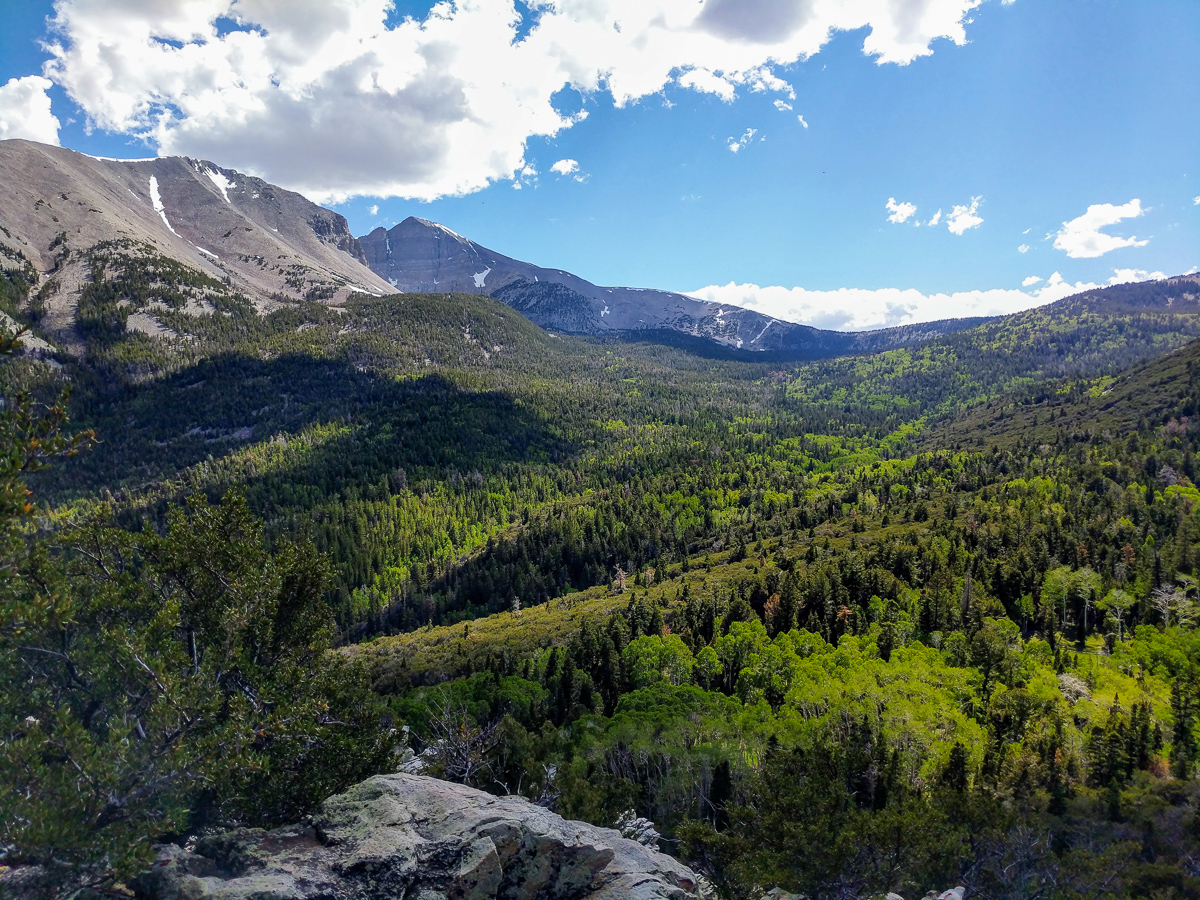
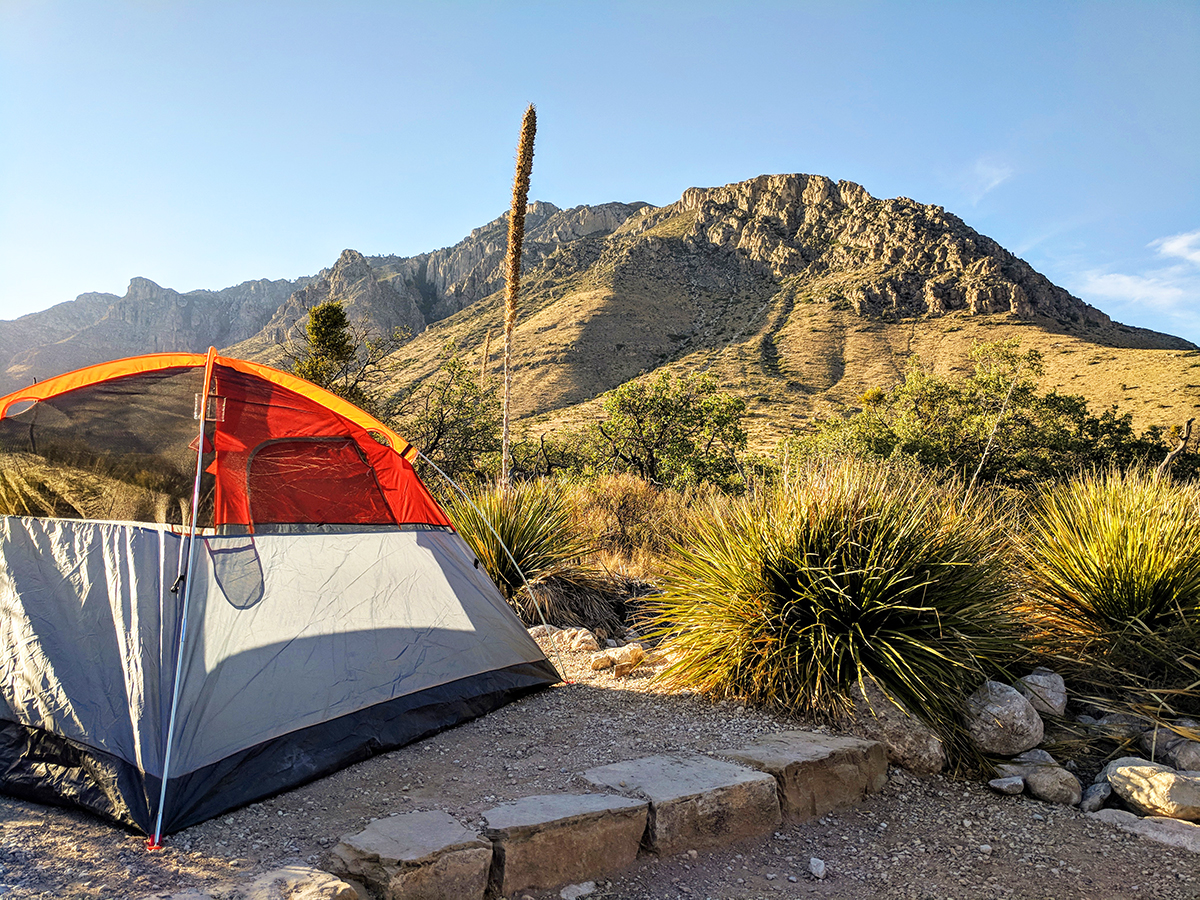
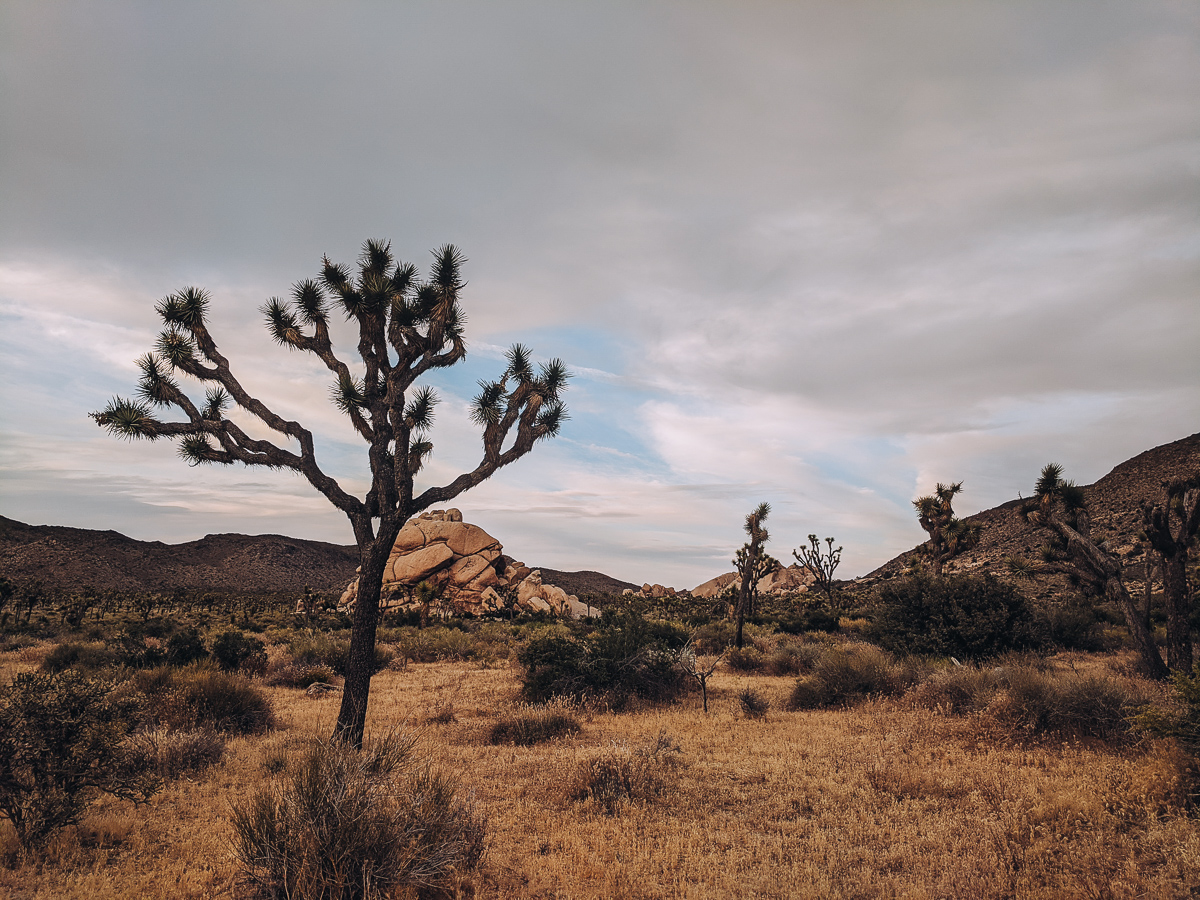
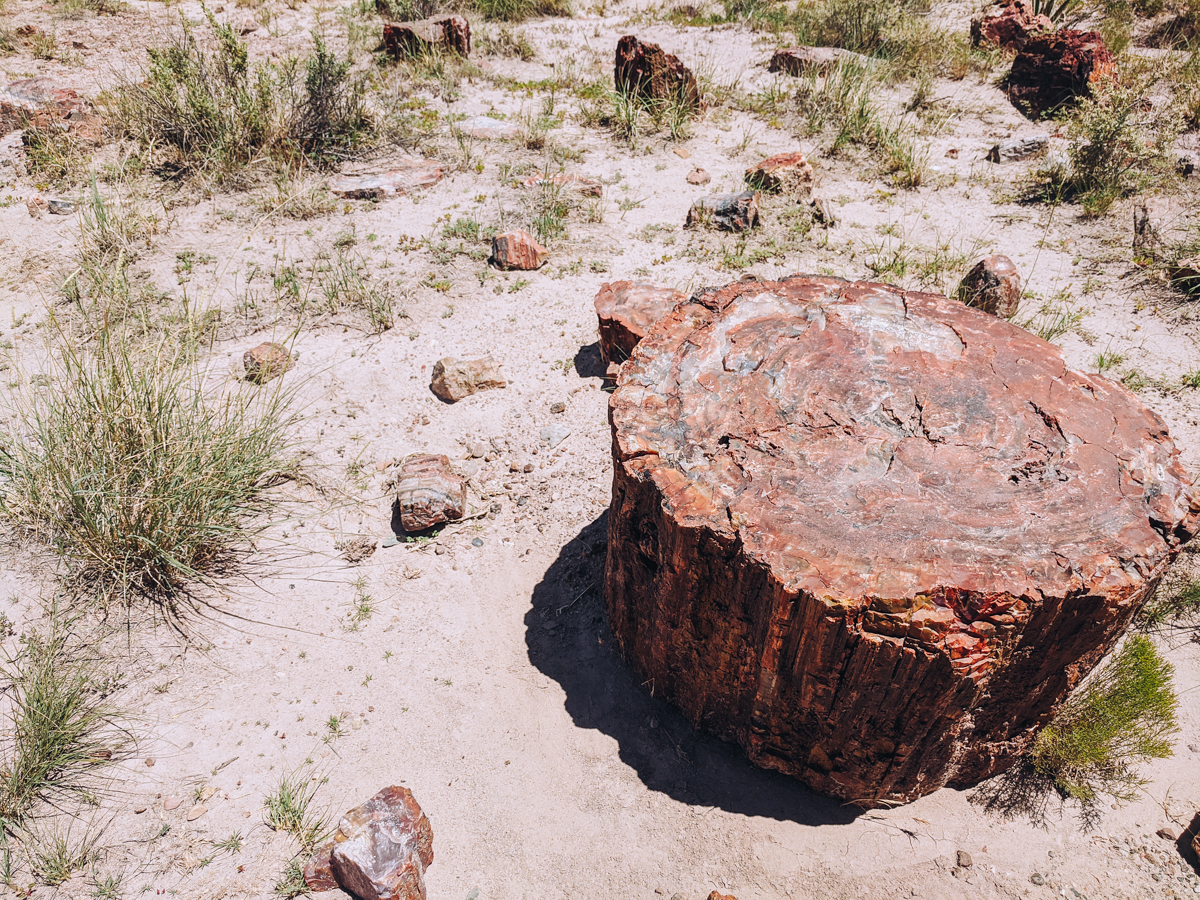
The U.S. national parks aren’t just bucket list stops — they’re some of the most unforgettable landscapes in the United States. From deserts to mountains to coastal cliffs, no two parks feel the same.

National Parks at a Glance

The Basics

How many: 63 officially designated national parks, plus hundreds of monuments, recreation areas and historic sites

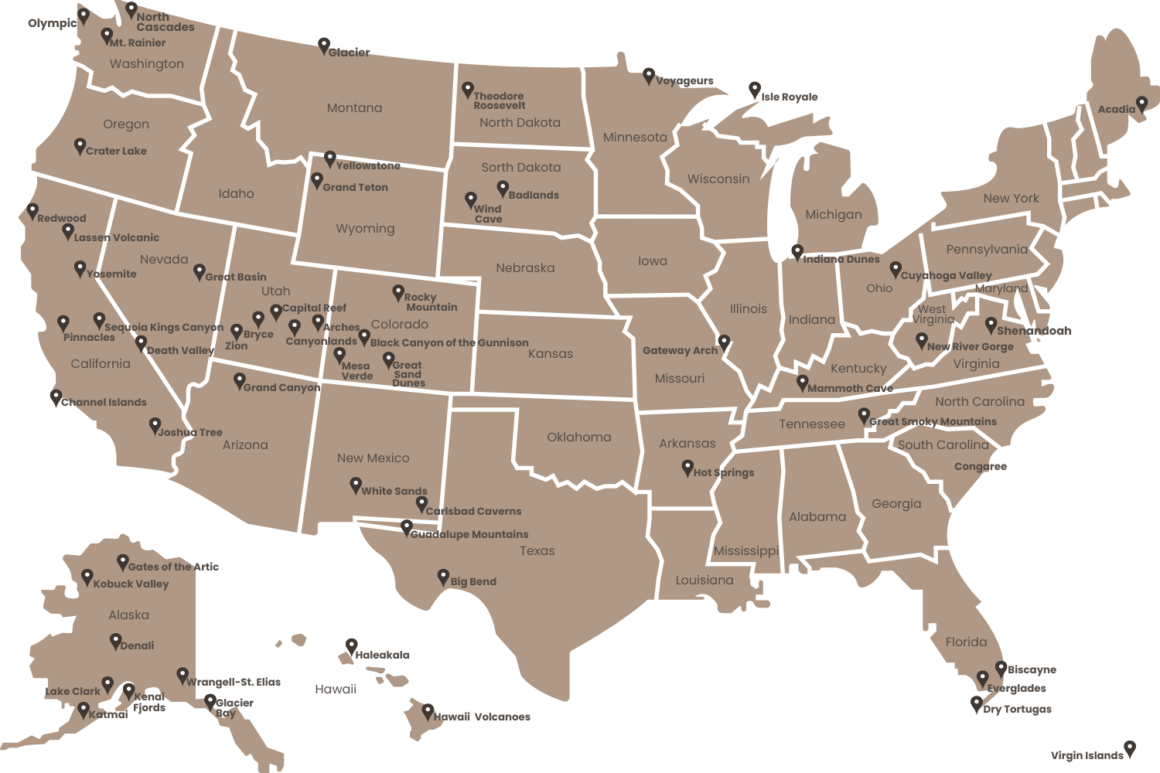
Where: All 50 states plus territories including the U.S. Virgin Islands, American Samoa and Guam — from Alaska’s glaciers to the deserts of the Southwest and the Appalachian highlands

Fees: Most parks charge $20–$35 per vehicle. The America the Beautiful Pass ($80/year) covers entrance at over 2,000 federal sites and pays for itself quickly.

Best for: Road trips, hiking, photography, wildlife and nature-focused travel

Best way to explore: Car + regional planning — most parks are destinations, not quick stops

Known for: Iconic landscapes, wildlife and views that don’t feel real until you’re standing in front of them

Best time to visit: Varies by park — season matters more here than almost anywhere else

Key fact: Distance and logistics catch people off guard. Planning ahead makes all the difference.

How to Travel National Parks

Road trips and grouping parks by geography are the best approach. It keeps things manageable and lets you actually experience each place instead of rushing through it.

Flying into a hub city and driving from there is often the easiest way to start. Cities like Las Vegas, Salt Lake City and Seattle put you within reach of multiple parks without a cross-country drive.

Don’t try to do too much. One park done well is always better than three done quickly. Give yourself time to hike, slow down and take it in — that’s where national park trips really stand out.

Leave it as it is. The ages have been at work on it and man can only mar it.

Theodore Roosevelt

Where to Go: National Parks by Region

The best way to narrow it down is by region. Parks that look close on a map can still be hours apart, so grouping them correctly makes a huge difference.

The West (Iconic First Trips)

If it’s your first national park trip, start here.

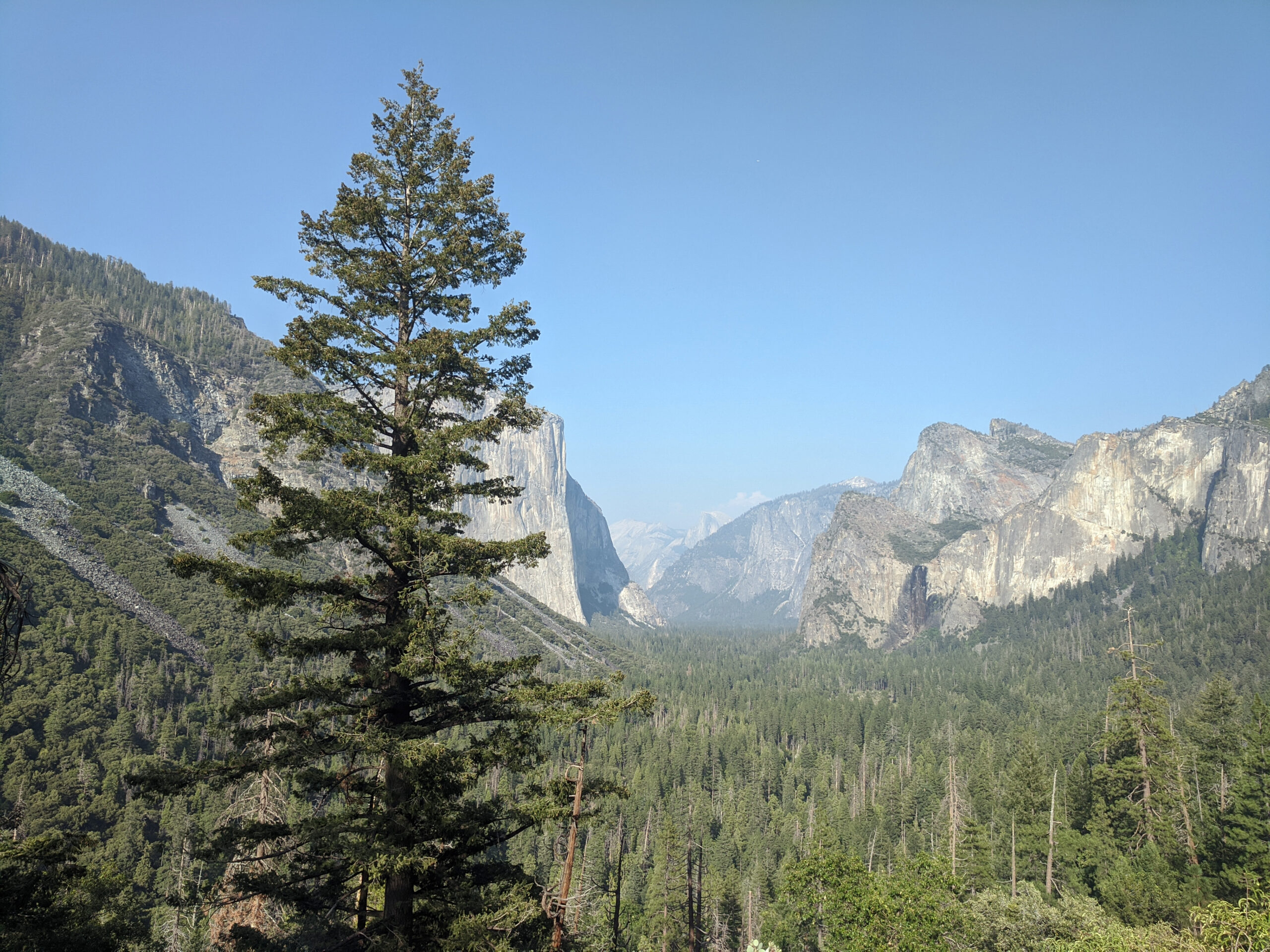
  • Yosemite National Park
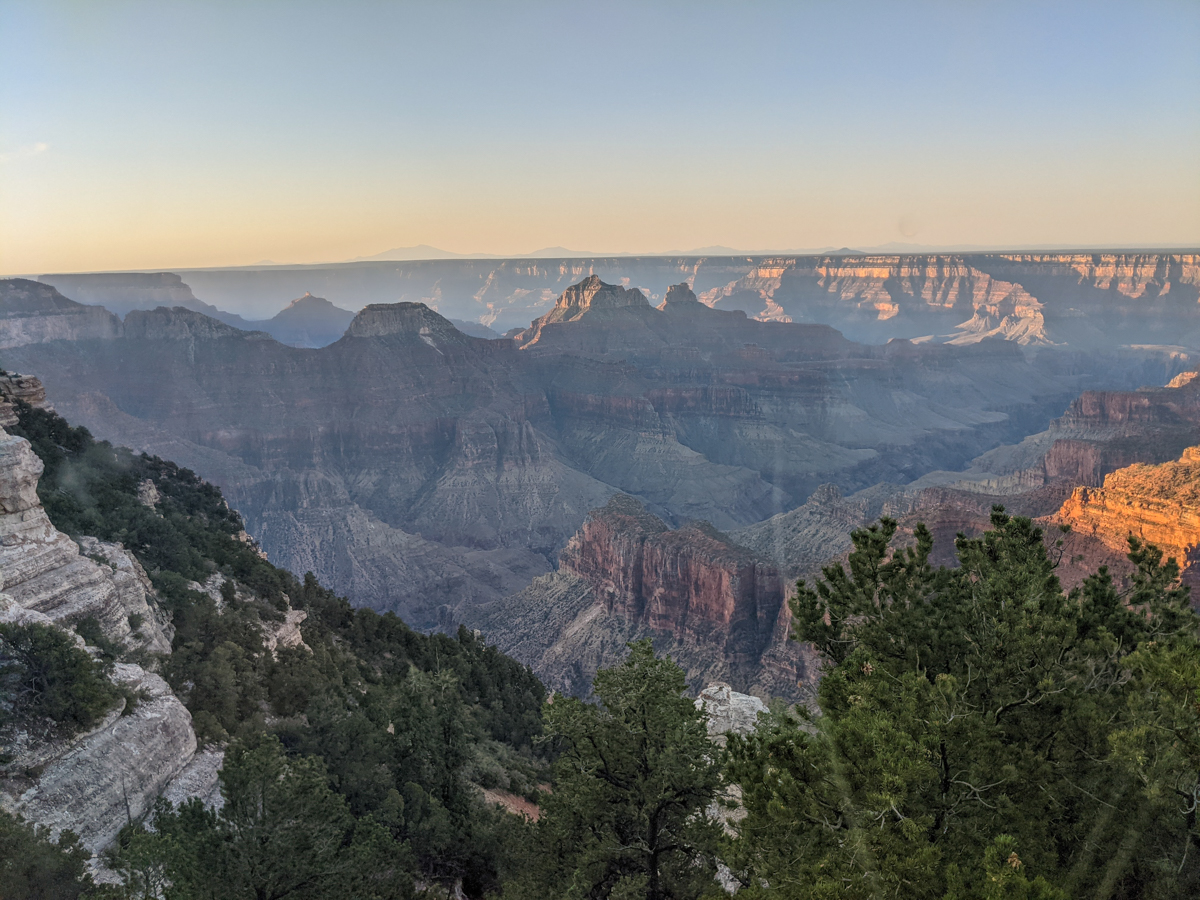
  • Grand Canyon National Park
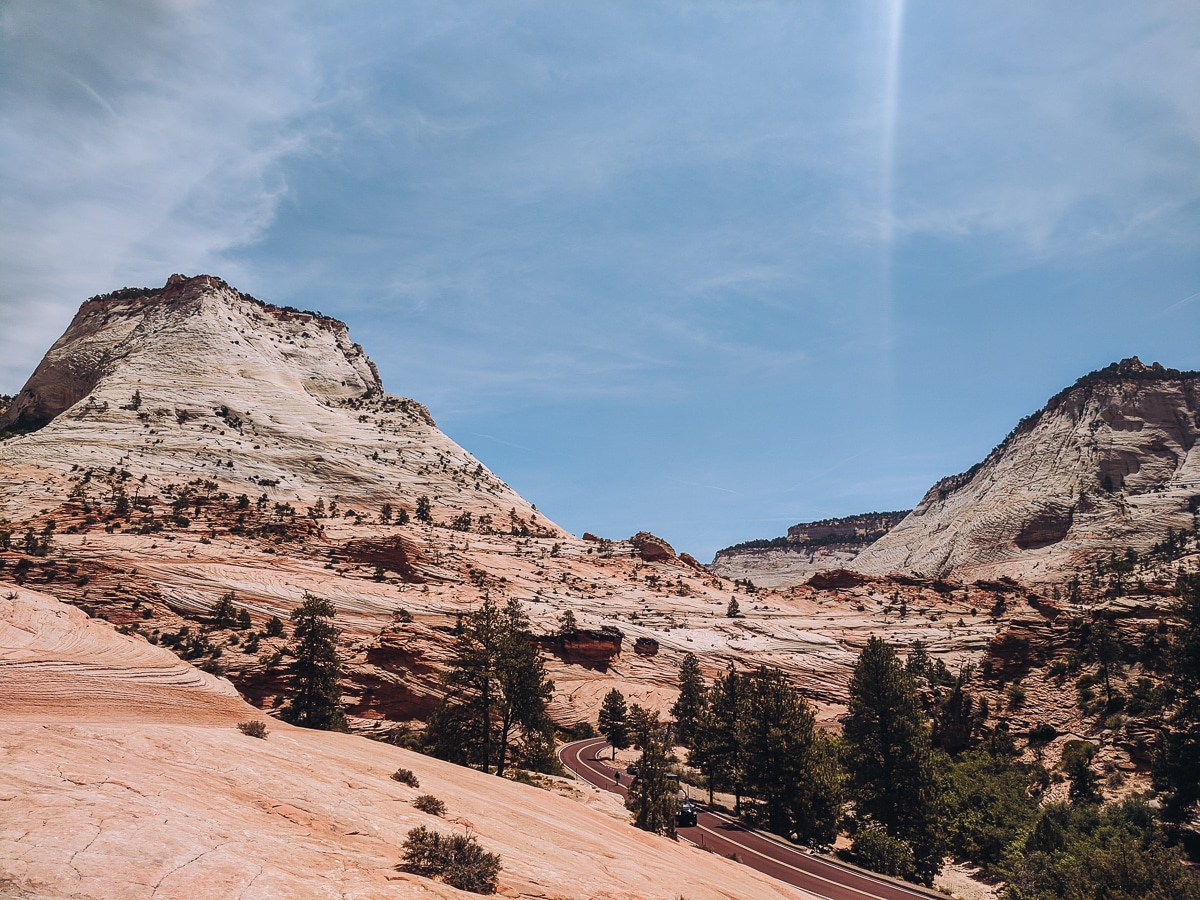
  • Zion National Park

Big landscapes, well-developed infrastructure and some of the most recognizable views in the country.

Utah & the Southwest (Best Road Trip Region)

Close together and perfect for multi-park itineraries.

  • Zion National Park
  • Bryce Canyon National Park
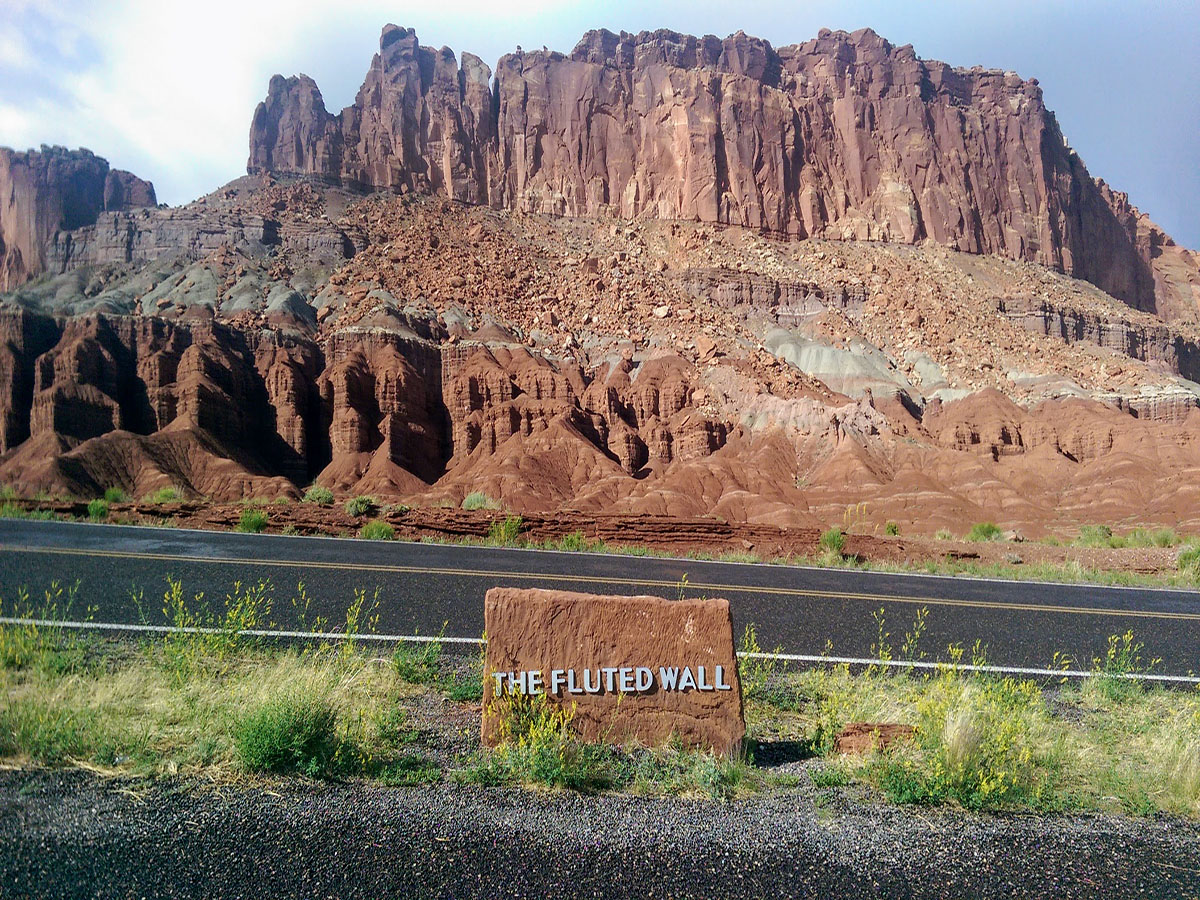
  • Capitol Reef National Park

This is one of the easiest and most rewarding regions to plan.

Mountains & Wide Open Spaces

Some of the most impressive parks.

  • Rocky Mountain National Park
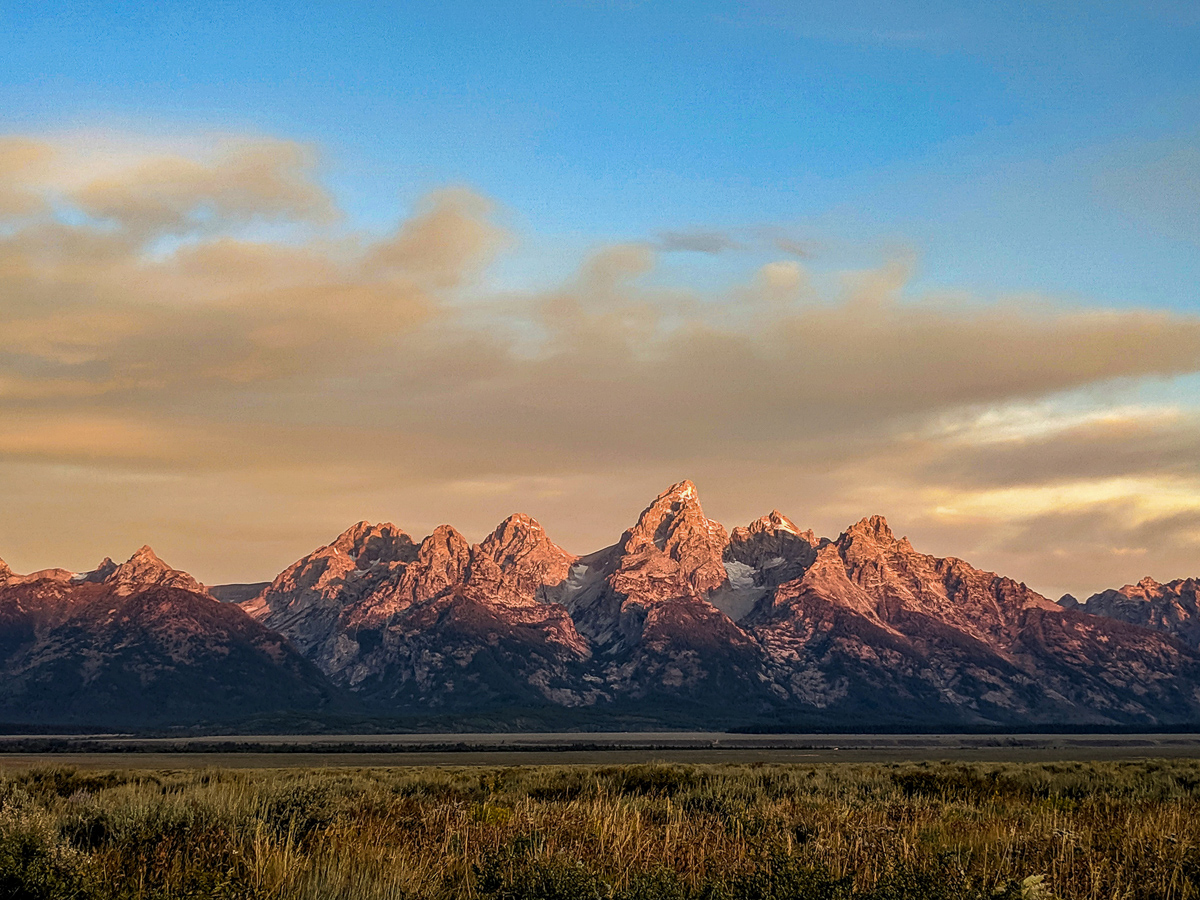
  • Grand Teton National Park
  • Yellowstone National Park

Wildlife, elevation and big landscapes.

East Coast & Easy Access

Closer to home and easier to fit into shorter trips.

  • Great Smoky Mountains National Park
  • Acadia National Park

Types of National Park Trips

Not every trip looks the same — and that’s a good thing.

Road Trips
The best way to experience multiple parks. Flexible, scenic and easy to customize.

Single-Park Trips
Perfect for long weekends or when you want to go deeper instead of covering distance.

Multi-Park Itineraries
Utah, California and Wyoming/Montana are ideal for this — just don’t overpack your schedule.

Seasonal Trips
Fall colors, summer hiking, winter snow — timing changes everything in national parks.

When to Visit National Parks

Summer — Most accessible, but also the busiest
Fall — Fewer crowds and great scenery
Spring — Beautiful but weather can be unpredictable
Winter — Quiet and unique, but limited access in many parks

Planning Your National Park Trip

National park trips look simple — but logistics and planning matters

Start here:

FAQ

Frequently Asked Questions About National Parks

If it’s your first trip, parks like Yosemite National Park or Grand Canyon National Park are great starting points — they’re iconic and relatively easy to plan.

At least 2–3 days per park is ideal. One day is enough to see highlights, but more time lets you actually experience it.

Yes. Most parks require a car to access viewpoints, trailheads and nearby towns.

It’s an annual pass that covers entrance fees at most national parks and federal lands. If you’re visiting more than two or three parks, it usually pays for itself.

In 2026 there are no parks that require reservations. Some hikes, like Angel’s Landing in Zion, still requires a permit.

It depends on the park. Summer is easiest for access, but shoulder seasons often offer fewer crowds and better overall experiences.

Let’s Plan Your National Park Trip

Not sure where to start or how to group everything together? I’ll help you build an itinerary that actually works.
Fill out this form to get started planning.


ACADIA

BIG BEND

DEATH VALLEY

JOSHUA TREE

YELLOWSTONE

ZION