


11 Places to Visit in South Carolina That Will Steal Your Heart
Being from the south I appreciate how each southern state has its own personality. Most people just want to lump the region all together and while there is some overlap each state really has its own character. And it’s not surprising that South Carolina is one of a kind.
Crushed between Georgia and North Carolina, it probably has more in common with Georgia than the more mountainous North Carolina but it’s still decidedly all its own. From the Blue Ridge foothills to the Atlantic coast and more than 350,000 acres of lake water in between — these are the places to visit in South Carolina I’d tell a friend about.
Places to Visit in South Carolina
A quick disclaimer: I’ve road tripped all 50 states and make a lot of these lists. South Carolina has plenty more destinations to visit than what you’ll find here. These just so happen to be a few of the places I’ve personally visited. If your favorite place didn’t make the list please let me know so I can add it to my always growing travel wishlist.
Charleston
My honest take on Charleston? Go to Savannah.
Hey, I’m from Georgia so I’m allowed to say that. Kidding aside — Charleston is one of the most historically significant cities in America and the oldest city in South Carolina. You knew it would make the list. People love it and go back again and again. Try to stay at least a couple of days — a long weekend is even better.
The history is real — Rainbow Row is as pretty as the photos, the old city walls and Fort Sumter tell a story that shaped this entire country. Charleston City Market is a great place to wander even if you don’t buy anything. Take a harbor tour and watch the city from the water and you’ll understand what was built here and why.
I’ve been all over the country and the food scene in South Carolina, and particularly in Charleston, is some of the best out there. Start with fresh seafood and she crab soup, Carolina’s unique barbeque and other unique regional specialties.
Just know going in — Charleston can be expensive and parking is kind of a nightmare. Also, for me the city carries a heaviness that’s hard to shake. The weight of its history is present in a way that’s difficult for me to explain — you can feel it. That’s not a reason not to go. If anything it’s a reason to pay attention to the history while you’re there.
My best advice is — unless it’s your first time or a special occasion, base yourself in Mount Pleasant, day trip in, walk everywhere and eat well. That way you can get the full coastal Carolina experience — Isle of Palms and Sullivan’s Island are right there and worth seeing too.
If you’re deciding between Charleston and Savannah — and many people are — I think you have to work a little harder to enjoy Charleston so I personally usually choose Savannah. But that’s a whole other article and just one person’s opinion.
Berkeley County
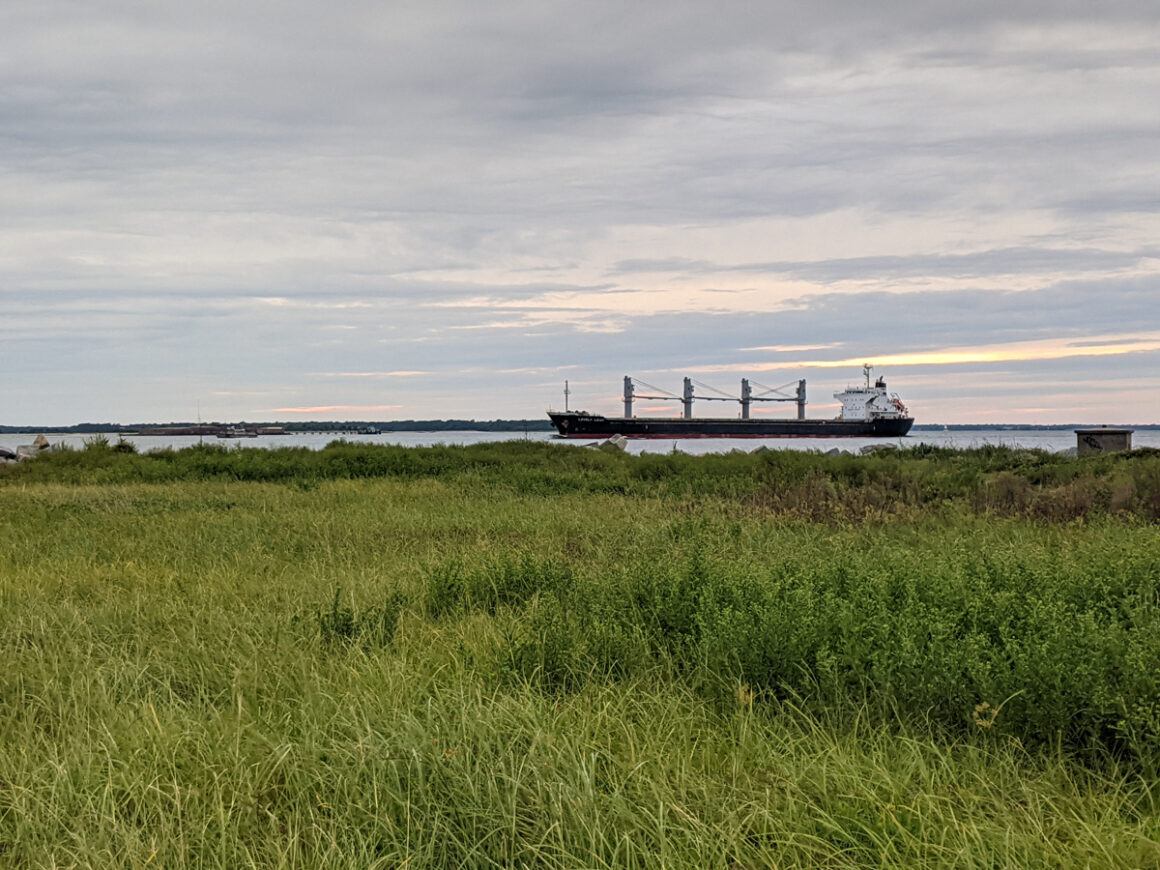
You don’t have to be a Revolutionary War buff to visit South Carolina — but it doesn’t hurt. The Palmetto State had more Revolutionary War battles than any other state. Some sources say over 200, others say as many as 400. Berkeley County alone accounted for 32 or 33 of them depending on who you ask.
It’s where Francis Marion — the Swamp Fox — operated. If you’ve seen the movie The Patriot you’ve actually seen Berkeley County. Those smoky battlefield scenes? Filmed at Cypress Gardens.
Speaking of Cypress Gardens — it’s also where they filmed The Notebook. So in one beautiful 80 acre cypress-tupelo swamp you have both Mel Gibson carrying a flag through battle smoke AND Ryan Gosling romantically rowing a boat through Spanish moss. A pretty big contrast.
Much of Berkeley County’s character is shaped by its location on the Santee Cooper Lakes — Marion and Moultrie — known as the Great Lakes of South Carolina. Fishing, kayaking, boating and waterfront dining are part of daily life in a way that is real not just touristy. The county seat is Moncks Corner — a small friendly town with a big personality.
And then there’s Mepkin Abbey — one of the most peaceful places I’ve been anywhere in the South. I stood overlooking the Cooper River and wondered if I had been transported to another time. A Trappist monastery with gardens, a labyrinth and monks who grow oyster mushrooms actually sounds like it could be a movie too.
I have a full on guide to Berkeley County. Start there for more info about this special South Carolina location.
Congaree National Park
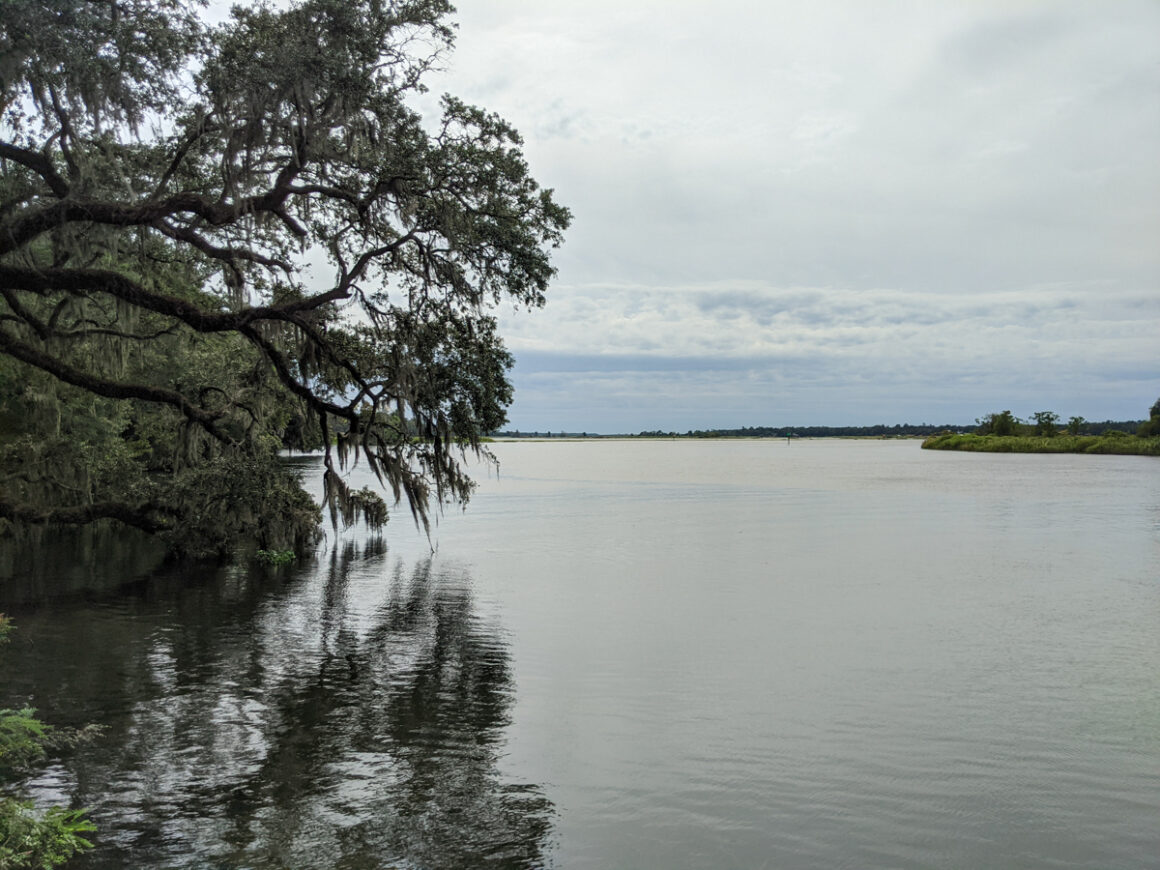
South Carolina is known for its Lowcountry and beaches so you don’t expect to find one of the largest intact expanses of old-growth bottomland hardwood forest in the United States stuck right in the middle — but it’s there. Congaree National Park is ancient and will make you feel really small but in a good way.
The visitor center is the first stop. It does a good job of replicating the sights and sounds of what you’re about to experience. Walk the boardwalks at minimum but also try to get out on the water or attend one of the park’s special events to really respect what makes Congaree so unique.
Some visitors might be a bit let down because it doesn’t look like what they picture when they think national park — there are no dramatic vistas, no towering peaks. Just a very old, very quiet and very humbling forest and for that reason it’s park worthy.
I still want to go back and kayak the river and — if I time it right and win the lottery — see the synchronous fireflies. If you don’t know about the fireflies at Congaree look it up. It’s one of the most extraordinary natural events in America and most people don’t even know about it.
Daniel Island
Daniel Island is Charleston’s bougie Southern neighbor — a 4,000 acre planned development named after the colonial governor who once called it home. It evolved into a walkable golf-cart friendly community with residential neighborhoods, parks, trails, a farmers market and a busy calendar of events — yoga, tennis, you name it.
It’s also where people comes to see live music. Credit One Stadium hosts the major concerts and other events in the region so if there’s a show bringing you to Charleston chances are it’s actually on Daniel Island.
Besides the fancy boutiques and markets, The Kingstide is a good reason to visit — fresh catch, wood-fired everything, a rooftop deck with river views and a carrot cake I would walk from Georgia for. Craft beer lovers can enjoy a brew at nearby New Realm Brewing.
The Keith School Museum is a powerful stop along for those interested in exploring Berkeley County’s civil rights history — a reconstruction of the school that educated local children during the height of Jim Crow segregation.
Families especially will like the easiness of Daniel Island — everything is clean, safe and well organized. One thing I still want to do — take the ferry from Charleston over. It runs daily and seems like the perfect way to arrive.
Southerner Says: Did you know that South Carolina is called the Palmetto State? Named for the Sabal palmetto, the state tree its role in the Revolutionary War. Logs from the trees were used to build a fort on Sullivan’s Island.
Greenville
I’ll be honest — Greenville has been on my radar far too long. I’ve been but it’s been awhile and the city has transformed significantly since I visited. What I do know is this: the downtown is great — there’s live jazz, a waterfall running right through the middle of the city and a walkable revitalized core that went from plain to hip seemingly overnight.
It’s the kind of city that’s good for wandering and maybe a brewery crawl and I intend to give it a proper visit soon. If you get there before I do — go downtown, find the waterfall and report back.
Old 96 District
I met the tourism people behind Old 96 District in of all places — a Twitter chat I used to host about road trips. And that makes perfect sense because Old 96 — named for18th-century traders who thought it was 96 miles from the Cherokee town of Keowee — is one of those destinations for travelers who leave the interstate to just to see what’s there.
In Old 96 it’s a lot. Six state parks, including one with an outstanding lodge and cabins giving it a resort feel, a national park unit and the Benjamin Mays Historic Site are just a few of the public lands found in this rich cultural region.
Beyond the outdoor activities like boating, kayaking, camping, hiking and birding on South Carolina’s freshwater coast — there’s pottery, art, train history and Huguenot Crosses — yes, this area was one of the seven French Protestant colonies established before the American Revolution. If that’s not enough, one of the most impressive used bookstores I’ve run across is in the small village of Willington.
Greenwood does the heavy lifting as the largest of the five cities that make up Old 96 alongside Abbeville, Edgefield, Laurens and McCormick but — and I might be biased — Abbeville is the heart of it.
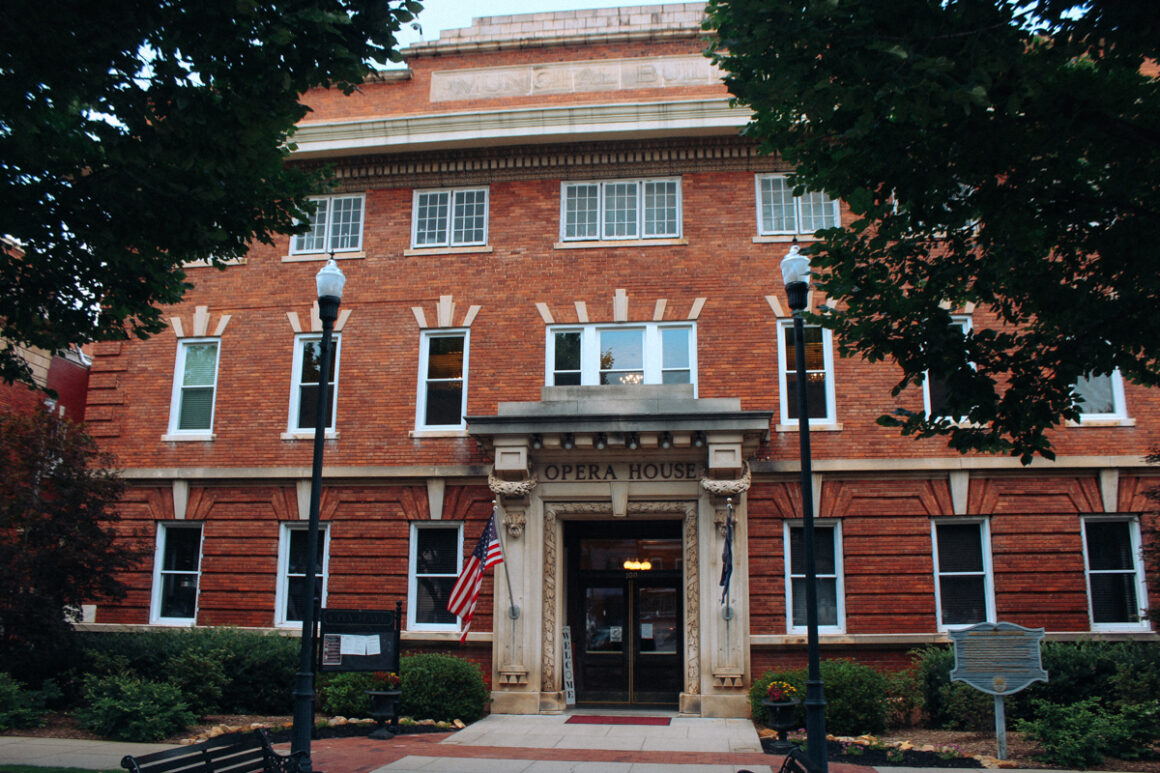
For train travelers, Abbeville once served as a midway stopping point between New York and Atlanta — and it shows. There’s a magnificent Opera House that still puts on performances, a haunted hotel that has been welcoming travelers for over a century and a walkable downtown full of cute shops and antiques stores.
The people behind Old 96 tourism have done an extraordinary job shining a light on a region that most travelers would otherwise miss entirely. I’m glad they did — and I’m glad I went.
Bluffton
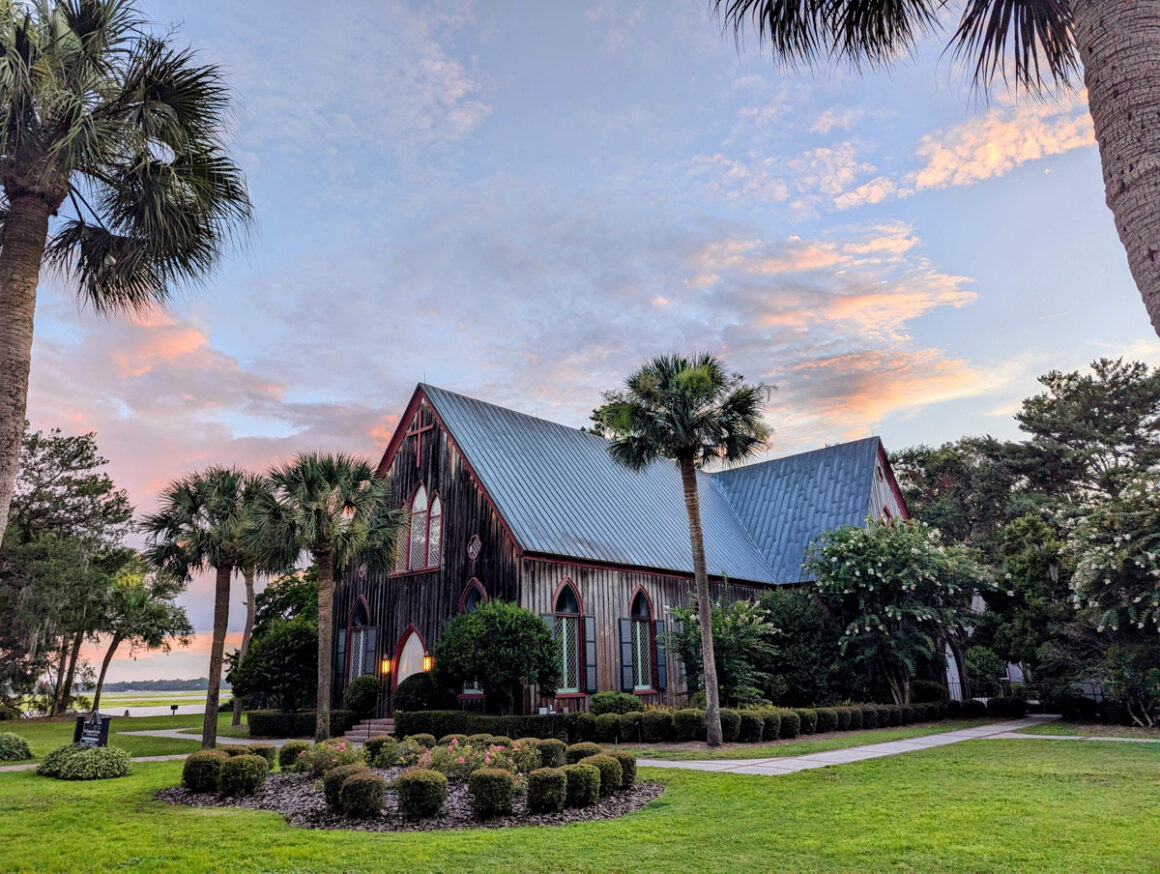
Bluffton is a place I’d brave a hundred percent humidity to visit. And I have. It’s that charming. It feels like stepping back in time — stroll through Old Town Bluffton, see the Church of the Cross draped in Spanish moss along the May River, visit art galleries tucked into historic buildings and I know I keep saying this — eat the delicious food.
Start at Ma Daisy’s Porch, honoring Gullah matriarch Daisy Pinckney Frazier through the vision of her granddaughter, owner and chef Bridgette Frazier. More than just a cultural heritage center, Ma Daisy’s features other Black chefs, bakers and artists — you could easily spend the day in this one spot just taking it easy and hanging out.
And then there’s the Montage Palmetto Bluff — a five star resort on the May River and its own opulent enclave. From the moment you step out of the car and into reception, greeted with sweet tea and Jack Daniels, you understand impeccable Southern hospitality and the kind of luxury that doesn’t have a need to announce itself.
Santee County
At first glance Santee looks just like any other small South Carolina town with an overabundance of souvenir shops along busy Interstate-95 between Canada and Florida. But a closer look reveals another one of South Carolina’s surprises.
Located on Lake Marion — the northernmost of the two Santee Cooper Lakes known as the Great Lakes of South Carolina — Santee and the surrounding area has oodles of national forest to explore, Indian mounds dating back 3,500 years, water to paddle and sunsets to savor at the end of day. There might not be one big wow factor but all of these experiences add up to a really good time and good food of course.
The icing on the cake might just be the Old 301 Bridge — a 1946 highway bridge that closed to vehicles in 1987 and was reopened in 2023 as a nearly two mile pedestrian crossing over Lake Marion as part of the Palmetto Trail. Egrets, osprey and the occasional alligator keep you company and on a clear day you can see up to 40 miles in every direction.
Southerner Says: The Palmetto Trail is South Carolina’s cross-state trail spanning nearly 500 miles from the mountains to the coast. The Old 301 Bridge section over Lake Marion is one of its most accessible. You don’t have to be a serious hiker to walk parts of it.
Columbia
Columbia doesn’t always make the top of South Carolina travel lists but the state capital deserves more credit than it gets. Home to the University of South Carolina, a beautiful State House, the highly regarded Riverbanks Zoo and a food and bar scene centered around Five Points and the Vista district — Columbia exceeds expectations.
If you know anything about me by now it’s that I love street art. Hunting for murals and public art is one of my favorite travel activities. So it makes me happy that Columbia has invested seriously in its public art. The murals downtown and throughout the Vista district are are best seen on foot — the kind of thing that’s good for a slow walk more than a checklist.
The city is also about to become even more interesting. The new International Scout factory is being built just north of the city near Blythewood. This is good news for anyone who grew up with a Scout in the driveway and is just a little bit Scout obsessed — hello, it’s me. I’ve owned two and I’m hoping I’ll get a chance to tour the factory some day.
Georgetown
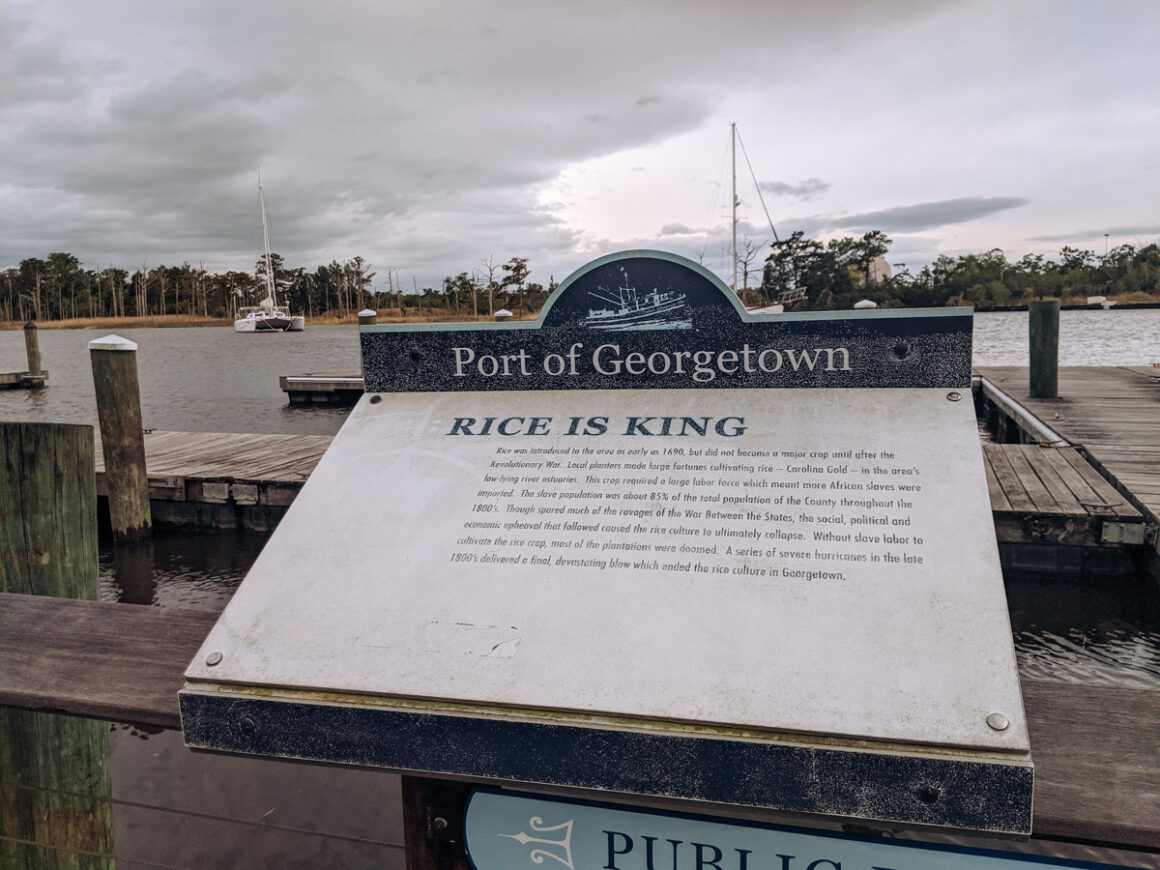
On the tail end of my Berkeley County road trip I got run out of Georgetown by a hurricane — or at least the threat of one. But not before I walked around the waterfront, found Indigo Bakery and fell a little bit in love with this quietly beautiful little town.
Georgetown is South Carolina’s third oldest city and sits at the confluence of five rivers — which explains both the stunning waterfront and why I eventually had to leave as the water started rising. The downtown is compact and walkable with a vintage theater and Main Street that makes you want to stay awhile to see what’s around the corner.
What I didn’t get to — and fully intend to go back for — is the rice museum, the maritime museum and the Gullah museum. The maritime museum and Gullah museums are a given but what you may not know is that Georgetown was the center of South Carolina’s rice culture. That history is extraordinary and largely untold. Even as a southerner I don’t know much about it but I intend on finding out,
Hilton Head Island
Hilton Head is not for everyone — and I’ll be honest, I’ve day tripped there several times and left a bit underwhelmed. Growing up on the white sand beaches of the Florida panhandle, the beach here doesn’t quite deliver the payoff I’m looking for — and the notoriously congested single corridor in and out doesn’t help.
That said, if a comfortable, well-organized resort experience is what you’re after, Hilton Head delivers exactly that. The golf is world class, the Sea Pines Forest Preserve is worth visiting and the bike trail network is impressive with lighthouses to see along the way. Some people go back year after year for exactly that experience. I actually have a proper weekend planned there later this year instead of just another day trip — so I’ll report back.
Planning Your South Carolina Trip
Still not convinced? Go back and read it again. From Revolutionary War battlefields to Gullah culture, freshwater lakes to five star river resorts and small cities most people pass right by on I-95 — South Carolina has more going on than it might get credit for.
It’s best explored by road — I’ve driven most of it except for the northwest corner and the Beaufort to Charleston stretch along the coast for which I already have a itinerary created. If you’re flying in to road trip, then Columbia, Charleston, Myrtle Beach and even Savannah are all good gateways depending on which part of the state you are visiting.
No matter what you do in South Carolina or where you go — it’s all about the food. Try shrimp and grits, order she-crab soup and find yourself some benne cookies before you leave. You can thank me later.
If you need help planning any of it or even all of it — that’s exactly what I’m here for. Go ahead and email me and let’s plan your ideal South Carolina trip.
See you on the road!
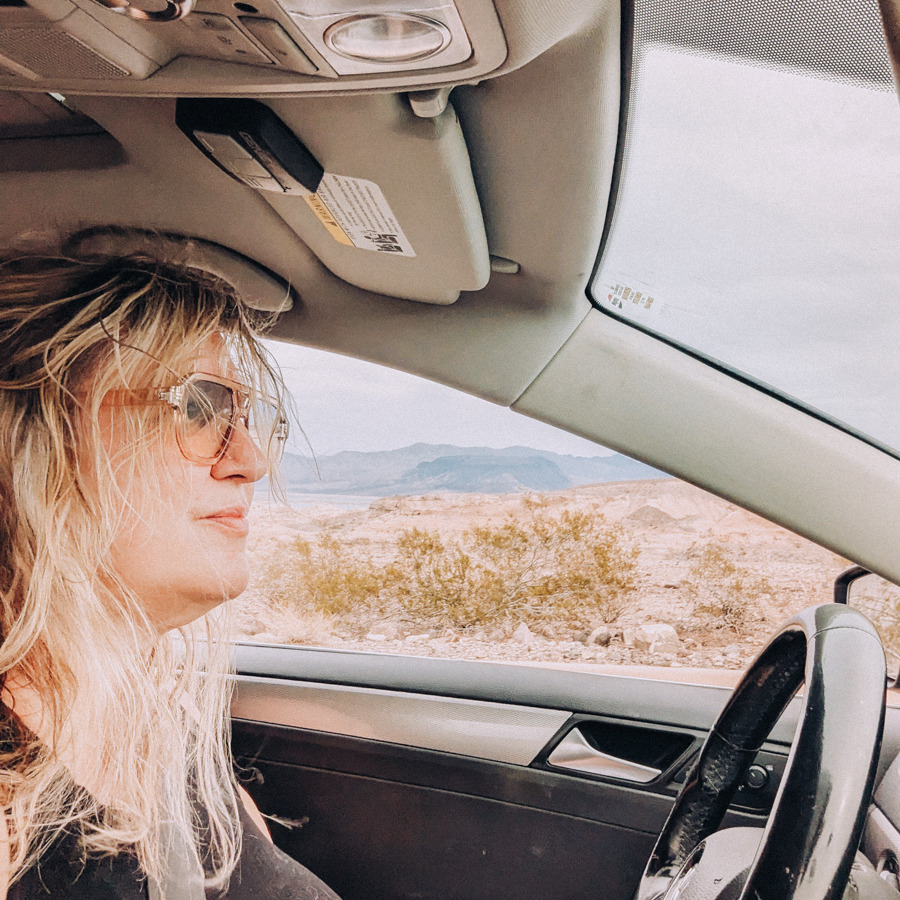
Author: Lori Blalock
A girl raised in the south, Lori is the founder of Southerner Says and is a travel advisor who’s road tripped all 50 states, visited half the states in Mexico and has been to more than a handful of Caribbean islands and Central American countries. Passionate about small towns, national parks, brunch and barbeque, she writes about and helps others plan adventures in North America and beyond. Georgia is home — but she’s rarely there.
Thank you for the overview of SC!
Thank you! I have wanted to visit South Carolina for a while now and think it’s about time I do. Your blog has inspired me to do just that. I would like to reach out later and get your take on a few things for future.
Thanks again
Sandi